
























The whole thing stands on shaky ground, however. CASHCAT carries a market value of about $105 million against roughly $6.6 million of liquidity in its Uniswap pool, meaning it may not absorb even a fraction of the holders trying to leave at once.
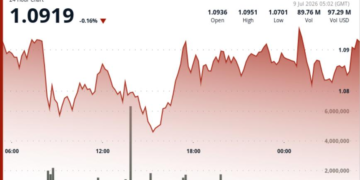
The token is down about 12% over 24 hours and roughly a quarter off the intraday peak near $145 million it touched on Wednesday, and sell volume has edged past buy volume, $29.1 million against $28.9 million, across more than 30,000 transactions from about 6,800 traders.

Robinhood did not create the token. CASHCAT’s own website describes it as “fan fiction with a ticker,” a project built by outsiders around the cat-with-cash logo the company used in its earliest days before rebranding. The utility, the site says, “is cat.”
Interestingly, on July 2, the day after the chain went live, Robinhood’s chief executive Vlad Tenev told CNBC that memecoins were largely a dead end, as ‘assets without utility do not serve a lasting purpose,’ and that tokenized real-world assets were the durable direction for crypto.
However, days later on July 7, as CASHCAT climbed, he posted on X that while the company is building its chain to be the best for real-world assets, “it works great for memes too.” He also followed the token’s account.
Source: Original Article