



![The 87% Gold breakout setup [Video]](https://marketnewsboard.com/wp-content/uploads/2026/07/gold-march-05_Medium-360x180.jpg)

















Forecast Trend Report by Period


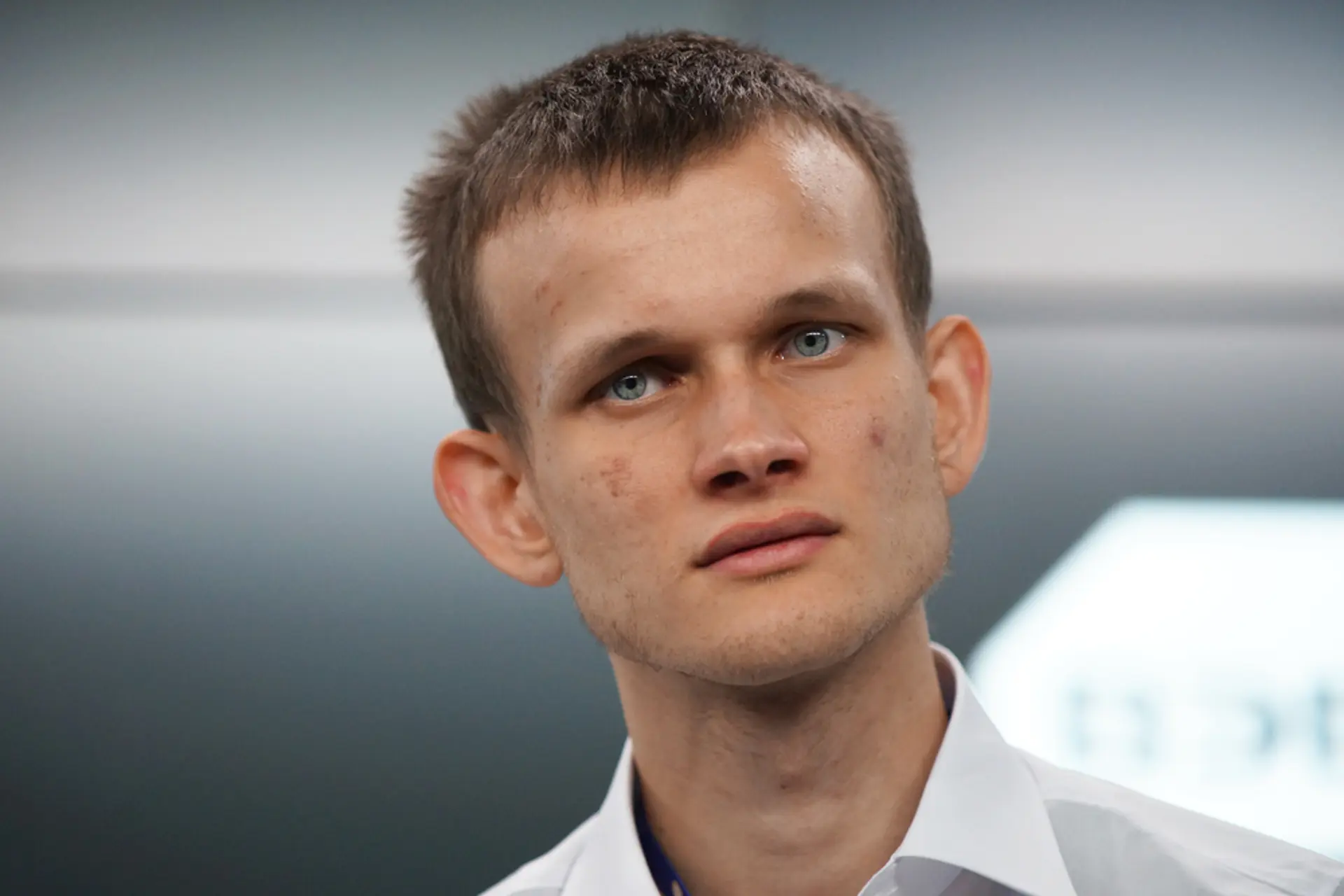
Ethereum co-founder Vitalik Buterin has outlined a long-term roadmap called “Lean Ethereum” that would effectively replace the network’s core architecture over the next three to four years.
The plan is not a single upgrade but a sequence of improvements to be rolled out over that period, Buterin wrote in a July 5 post on X, according to The Block. He described it as Ethereum’s third major evolution after The Merge and said nearly every core element of the protocol would be replaced.
The blueprint builds on a long-term roadmap disclosed after a meeting of Ethereum researchers in Berlin in June. Ethereum Foundation researcher Justin Drake first proposed the roadmap in February, laying out seven major network upgrades through 2029.
Buterin said the overhaul would span transaction verification, quantum-resistant cryptography, finality and data storage architecture. He added that, as with The Merge, Ethereum could make the transition while keeping existing applications intact.
He described the storage redesign as the biggest change in the project. Ethereum currently manages all state data, including token balances and smart contracts, through a single storage model. Under Lean Ethereum, that structure would remain for complex applications, while a new low-cost storage layer would be added for simpler ones.
Most tokens, NFTs and decentralized finance applications could use the new storage layer, which could reduce transaction fees by more than 10 times, he wrote. More complex smart contracts such as Uniswap would continue using the existing storage model.
Buterin also gave higher priority to defenses against quantum computing. The importance of quantum security has risen sharply, he wrote, and vulnerable components must be replaced before future quantum computers can break current blockchain cryptography. Work to convert the blob data storage structure used by Layer 2 scaling solutions into a quantum-resistant format has already been underway for several months, he added.
Privacy is also a core goal. Buterin wrote that privacy is no longer an optional feature but a top priority, and said future feature design will incorporate privacy protection as a default element from the outset.
Over the longer term, Ethereum is also pursuing a plan to replace the Ethereum Virtual Machine, or EVM, now used by all Ethereum applications, with a new execution environment.
Buterin named RISC-V and leanISA as leading candidates, but said such a shift remains far off. He added that the current EVM would remain as a translation layer for compatibility while the network gradually moves to a new execution engine.
Separately, Buterin said Ethereum’s processing capacity would continue to expand over the next five years. He said a higher gas limit, which would increase the number of transactions that can be processed per block, would come in the future Glamsterdam upgrade.
Source: Original Article

![The 87% Gold breakout setup [Video]](https://marketnewsboard.com/wp-content/uploads/2026/07/gold-march-05_Medium-75x75.jpg)