























Quick overview
- Oil prices have rebounded modestly after a sharp selloff, with WTI climbing back toward $70.80 and Brent crude also recovering.
- Easing geopolitical tensions and rising OPEC supply are contributing to a weaker outlook for crude prices, despite the recent recovery.
- Concerns over slowing global economic growth and high Chinese inventories are further pressuring oil demand, leading to a cautious medium-term outlook.
- Technical indicators suggest that unless prices reclaim key support levels, further selling pressure is likely in the coming months.
Oil prices began the new week with a modest rebound, but easing geopolitical tensions, rising OPEC supply, and concerns over slowing global growth continue to point toward a weaker outlook for both Brent and WTI crude.
Oil Rebounds After Sharp Weekly Selloff
Crude oil prices started the new week on firmer footing after suffering heavy losses during the previous week, with bargain buying helping both benchmark contracts recover from recent lows.
West Texas Intermediate (WTI) climbed back toward $70.80 on Monday after briefly falling below the $70 level, while Brent crude also recovered following a sharp decline. Despite the rebound, both benchmarks remain well below the highs reached during the recent Middle East conflict, highlighting how quickly geopolitical risk premiums have evaporated.
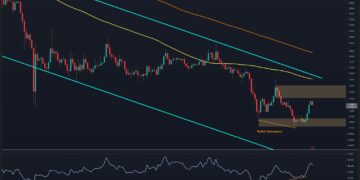
From a technical perspective, the outlook has weakened considerably. Both Brent and WTI have broken below important long-term support levels around $70, a development that suggests downside risks remain elevated despite the short-term recovery. Unless prices reclaim those levels decisively, technical momentum continues to favor further weakness during the second half of the year.
Geopolitical Risk Premium Continues to Fade
The primary driver behind last week’s decline was the continued easing of geopolitical tensions in the Middle East.
Progress in diplomatic discussions between the United States and Iran helped reduce fears of prolonged disruptions to oil exports and shipping through the Strait of Hormuz, one of the world’s most important energy corridors.
As confidence improved that global crude supplies would continue flowing normally, traders unwound much of the geopolitical premium that had been built into oil prices during recent months.
While negotiations remain fragile and occasional diplomatic tensions continue to emerge, markets increasingly believe that the probability of a major supply disruption has diminished substantially. As a result, geopolitical developments are no longer providing the strong upward support that previously lifted crude prices.
Oil Market Faces Unusual Divide as Crude Falls but Fuel Costs Stay Elevated
TotalEnergies CEO Patrick Pouyanné said Middle Eastern producers are heavily discounting crude oil to reduce elevated stockpiles, while gasoline and diesel markets remain tight due to ongoing concerns over shipping disruptions. He expects the imbalance between crude and refined products to take three to four months to normalize. The comments highlight an unusual split within the energy market, where crude prices have fallen sharply on abundant supply while refined fuel prices remain comparatively elevated.
This divergence continues to support strong refining margins for companies with available processing capacity but limits the benefit of lower crude prices for motorists and fuel-intensive industries. Pouyanné’s outlook also suggests that elevated crack spreads could persist for several months, leaving traders to navigate a market where declining Brent crude prices are not yet translating into significantly lower downstream fuel costs.
OPEC Supply Growth Adds Pressure
Supply conditions are also becoming increasingly favorable for consumers.
Higher production from OPEC producers and improving global export flows are contributing to expectations that oil markets could become more comfortably supplied during the remainder of the year.
With additional barrels gradually returning to international markets, concerns about supply shortages have eased considerably. The prospect of increasing production comes at a time when demand growth is showing signs of slowing, creating a more balanced market than investors anticipated earlier this year.
This improving supply backdrop has become one of the main reasons analysts remain cautious on the medium-term outlook for crude prices.
Slowing Global Economy Clouds Demand Outlook
While softer-than-expected US employment data improved expectations for eventual Federal Reserve interest rate cuts, it also reinforced concerns that economic growth is losing momentum.
A weaker Non-Farm Payrolls report, combined with downward revisions to previous employment figures, has strengthened expectations that the Federal Reserve may adopt a less hawkish policy stance. Although lower interest rates typically support commodity demand over the longer term, investors are increasingly focused on what softer economic data implies about future energy consumption.
A slowing US economy, combined with weak growth across Europe and uneven activity in Asia, has increased concerns that global oil demand may struggle to absorb rising production.
Attention this week will turn to the ISM Services PMI and the Federal Reserve’s meeting minutes, both of which could provide further clues about the outlook for economic growth, inflation, and interest rates.
China’s Inventories Reduce Import Urgency
China continues to represent another significant headwind for oil prices.
The world’s largest crude importer entered this period with substantial strategic and commercial oil inventories after years of accumulating reserves during periods of lower prices. Those stockpiles have reduced the urgency for Chinese refiners to aggressively increase imports even as shipping conditions in the Middle East have improved.
Reports indicate that China significantly reduced crude purchases during the recent geopolitical tensions while relying on existing inventories to meet domestic demand. If those inventories remain elevated, China’s import demand could recover more slowly than many market participants had anticipated.
Technical Outlook Remains Bearish
Although Monday’s rebound demonstrates that buyers remain willing to step into the market after sharp declines, the broader technical picture continues to favor caution.
WTI Crude Chart Weekly – MAs Have Been Broken
The break below major support levels leaves both Brent and WTI vulnerable to additional selling pressure unless prices can quickly reclaim and hold above the $70 threshold. At the same time, easing geopolitical tensions, expanding OPEC supply, comfortable Chinese inventories, and slowing global economic activity continue to create an unfavorable backdrop for sustained price gains.
Unless demand strengthens materially or fresh geopolitical disruptions significantly tighten supplies, oil prices are likely to remain under pressure during the coming months, with rallies increasingly viewed as corrective rebounds within a broader bearish trend rather than the start of a sustained recovery.

Skerdian Meta
Lead Analyst
Skerdian Meta Lead Analyst.
Skerdian is a professional Forex trader and a market analyst. He has been actively engaged in market analysis for the past 11 years. Before becoming our head analyst, Skerdian served as a trader and market analyst in Saxo Bank’s local branch, Aksioner. Skerdian specialized in experimenting with developing models and hands-on trading. Skerdian has a masters degree in finance and investment.
Source: Original Article