









Monroeville, Ohio, is still dealing with the aftermath of a bitcoin mining project it once welcomed, with village leaders now juggling persistent noise issues, a receiver-led court process at the site, and a separate pitch for a future AI data center.
What’s happening?
At a recent council work session, the focus included the Gray Matter-linked bitcoin mining property, where a court-appointed receiver is working on both the longstanding noise controversy and the $1.3 million that officials say is owed to Monroeville and other secured creditors, the Norwalk Reflector reported.
The receiver, Mark Dottore, president and CEO of Dottore Companies, told officials that the former operators are out of the picture and said his work now centers on fixing problems at the site while trying to recover money through the court process.
According to the Reflector, village solicitor Jim Barney said Monroeville has another issue, too: another Decimal Digital property that could be used for an artificial intelligence data center.
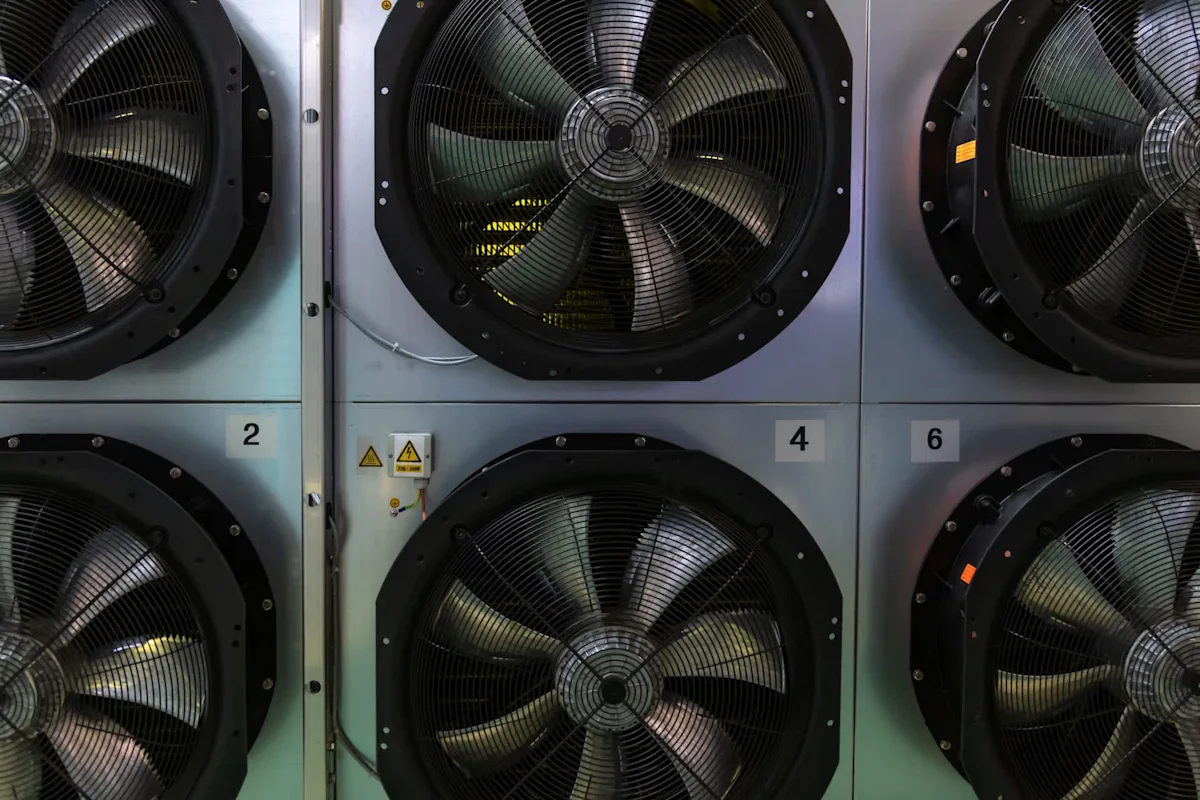
Decimal Digital CEO Roshan Shah said the existing site was “unbearably loud” but argued that the proposed AI project would rely on different technology and should not be viewed the same way as the other operation.
Why does it matter?
The fight in Monroeville underscores a challenge playing out in communities across the United States.
Projects involving crypto mining or data centers often arrive with promises of investment, tax revenue, and infrastructure improvements, and the industry sometimes argues those facilities can eventually be paired with cleaner energy sources.
At the same time, local debates often turn on practical questions such as noise, generator use, setbacks, water demands, and whether a developer can be trusted after an earlier project has already faced opposition.
What’s being done?
Village officials were weighing zoning approaches that could place extra rules on such projects in industrial areas, whether through an overlay district or a conditional-use system tied to standards for noise, setbacks, generators, and similar protections, according to the Reflector.
Councilman Andrew Brown proposed creating a frequently asked questions document that would lay out information the village considers verified.
Barney also told officials he had been preparing language for a possible advisory vote on data center development, which would give residents a formal but nonbinding way to weigh in.
The village was looking at other ways to collect feedback, too, including public forums and surveys, as officials continue reviewing outside technical support.
Separately, Decimal Digital representatives said they planned to hold a public information event from noon to 6 p.m. Aug. 15 at Monroeville’s American Legion post, where residents can speak directly with professionals about water, noise, economics, zoning, and related topics.
Get TCD’s free newsletters for easy tips, smart advice, and a chance to earn $5,000 toward home upgrades. To see more stories like this one, change your Google preferences here.
Source: Original Article