
















Arabic version: الطقس المتطرف يزيد مخاطر أسواق السلع
According to Cnbc, commodity strategists say markets may be underestimating climate volatility as Europe faces intense heat and forecasters warn of a potentially powerful El Niño. The World Meteorological Organization expects a “strong El Niño event” in the tropical Pacific between July and September this year. The naturally occurring pattern raises sea-surface temperatures in certain regions and is often linked to extreme weather.
Europe’s summer heatwave has brought a near two-week unbroken run of temperatures above 30 degrees Celsius in parts of the U.K. France has experienced three heatwaves this year, forcing the cancellation of some Bastille Day events last week. South Korea also issued its first “grave heat wave” warnings for Gyeongsan and Pohang earlier this month after introducing a new alert system in June.
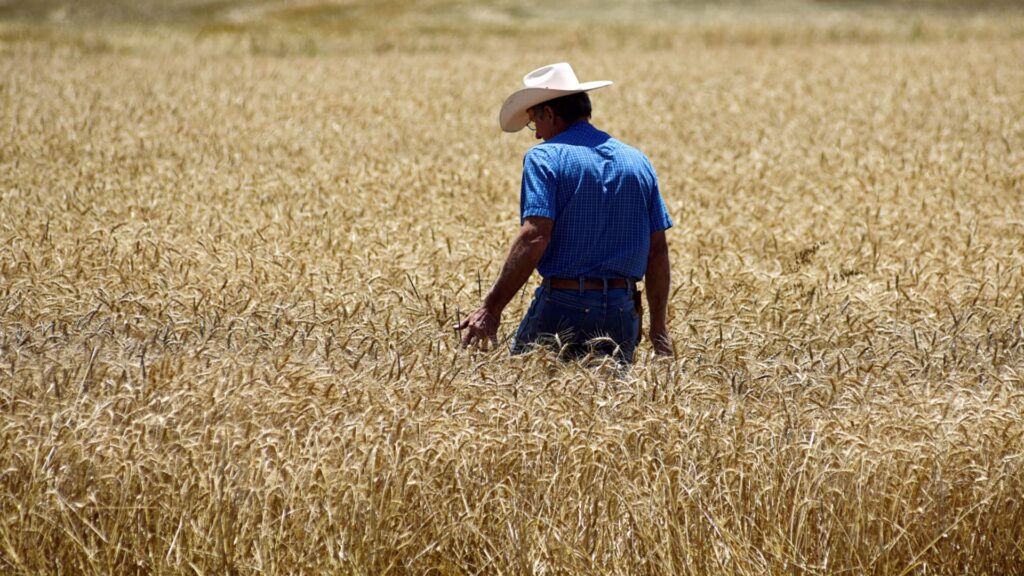
Agriculture is expected to face the greatest disruption. Societe Generale said agricultural commodity prices have risen 7% this month, while softs including cocoa, coffee and wheat gained 8% over the past week. U.S. Department of Agriculture data showed food prices were 3.1% higher year-on-year in May. Man Group said a stronger El Niño could add upside risk, with food inflation potentially reaching double digits by 2027.
Albert Chu, portfolio manager for natural resources at Man Group, said crop yields could fall 5%-12% in affected regions, while rice could decline 2%-8% under warmer conditions. Bank of America identified coffee, cocoa, corn and wheat as crops vulnerable to rising temperatures, particularly during flowering, pollination, grain and pod filling. Its analysts said corn remains markedly undervalued and forecast the new crop could rise from about $4.70 per bushel to $5.50-$6.00.
Effects could vary across commodities. Dan Leonard of Metdesk said a looming “super El Niño” could perhaps eclipse major events in 1982, 1997 and 2015, potentially lifting some markets while weighing on natural gas if the northern winter is warmer than usual. Chu also said heat and drought could tighten water-intensive copper production, while aluminum smelters face pressure from competition for electricity and water resources.
Source: Original Article