



















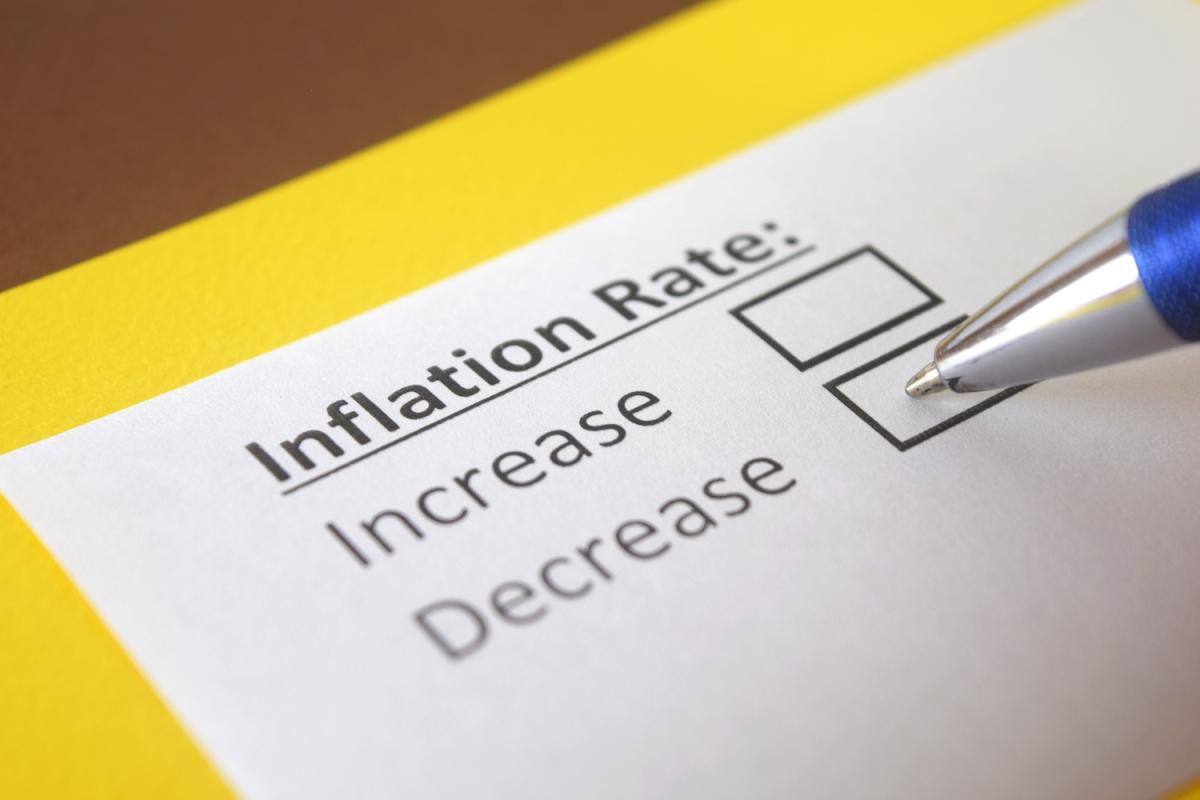

Households often report inflation perceptions and expectations that differ markedly from official measures. This column proposes a new measure of perceived inflation, which uses disaggregated inflation data with indicators for household attention to capture the prices that people actually notice. The difference between perceived and official inflation varies over time and becomes particularly pronounced during periods of economic stress. Heightened attention to inflation is persistent and can remain elevated even after official inflation measures improve. As central banks recognise the importance of household beliefs for macroeconomic outcomes, it becomes important to also understand the gap between measured and perceived inflation.
Source: Original Article