






















As the first attacks of the Iran war began and the Strait of Hormuz was shuttered, markets wasted little time pricing in the expected devastation in oil markets.
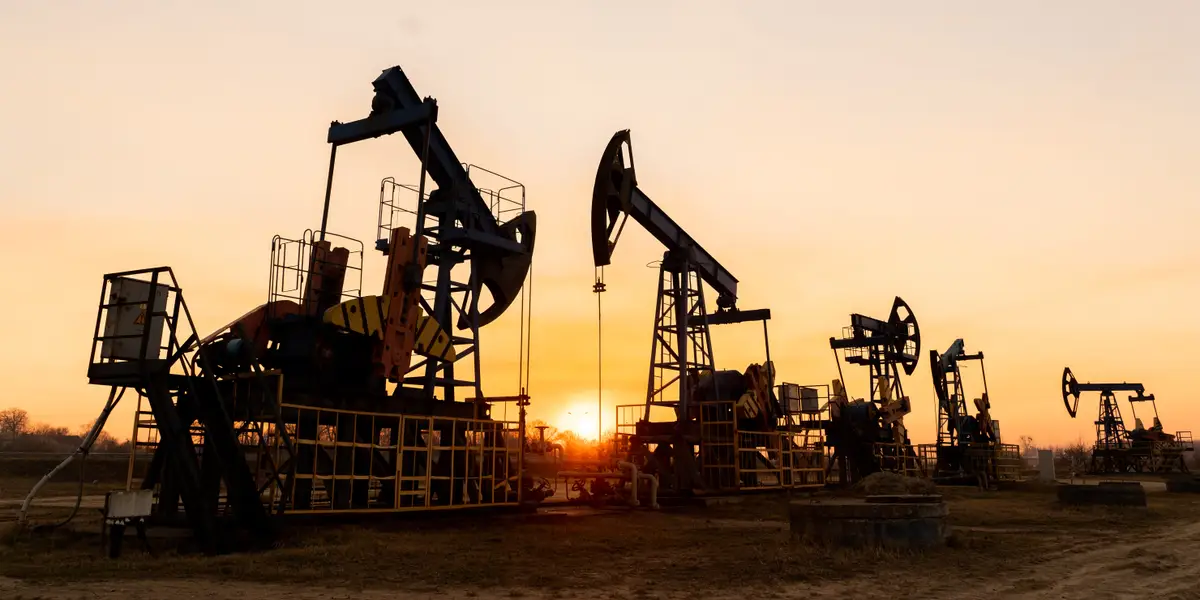
Oil prices skyrocketed overnight. With the supply disruption characterized as one of the most devastating in history, analysts were bracing for prices to soar as high as $150 a barrel, which was Brent’s peak during the financial crisis. Some even said the crude market was at the “point of no return.”
But, four months later, those worst-case scenarios have yet to be realized. In fact, the oil price spike has largely been erased, with Brent and West Texas Intermediate crude having tumbled back to their pre-war levels as optimism grows for an official peace deal with the US and Iran, though the conflict is still technically ongoing.
Brent crude, the international benchmark, has cratered 42% from its $126-a-barrel peak earlier this year. West Texas Intermediate crude, meanwhile, is down 37% from its wartime peak of around $109.
The market appeared to take supply shocks stemming from the Iran war less seriously over time, largely due to optimism that the war would end soon. Leading up to the US’s and Iran’s MOU, President Donald Trump had repeatedly teased an end to the conflict, a move that invoked references to the TACO trade, the idea in markets that the Trump Always Chickens Out and will step back to boost stock prices when needed.
Oil markets, meanwhile, have a long-running bias that things will return to normal eventually, given that price spikes have generally been short-lived since the oil price shock of the 70s, some analysts say.
Here’s the story of how oil prices went parabolic — and returned to normal in just a matter of months:
War begins, Iran closes the Strait of Hormuz

enhanced and published by maps4media via Getty Images
Israel attacks key energy facilities in Iran, oil passes $100 a barrel
J. David Ake/Getty Images
Oil hits $120 a barrel, Trump first suggests war will end soon
Roberto Schmidt/Getty Images
US and Iran agree to a 2-week ceasefire
Tom Williams/CQ-Roll Call, Inc via Getty Images
Iran says the Strait of Hormuz is open
AFP via Getty Images
Iran says the Strait of Hormuz is closed again
Karar Essa/Anadolu via Getty Images
The US launches Project Freedom to guide ships through the Strait
AMIRHOSSEIN KHORGOOEI / ISNA / AFP via Getty Images
The US and Iran sign a memorandum of understanding with plans to reopen the Strait
Vuk Valcic/SOPA Images/LightRocket via Getty Images
Source: Original Article