







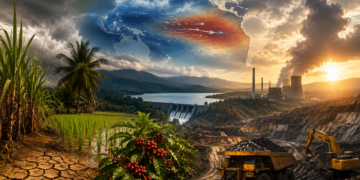







Metals face both weather and power risksWhile agriculture typically receives most of the attention during El Niño events, metals markets can also experience significant disruptions. Copper appears particularly exposed. Chile, the world’s largest producer, faces elevated risks of heavy rainfall, flooding and landslides that can disrupt mine operations, transport infrastructure and export logistics. At the same time, Zambia remains vulnerable to drought-related power shortages due to its heavy reliance on hydropower generation. Reduced electricity availability could constrain mining activity and processing capacity.Aluminium and zinc face a different challenge. Several smelters in China’s Yunnan province rely heavily on hydropower, making production vulnerable during periods of drought and low reservoir levels. Previous weather-related power shortages have forced curtailments, tightening supply and supporting prices.Lithium producers in South America could also encounter operational disruptions from unusually heavy rainfall, while iron ore faces a more mixed outlook. Weather conditions in Australia and northern Brazil may improve, but excessive rainfall in southern Brazil could create periodic transportation and logistics bottlenecks. At a time when several industrial metal markets are already grappling with low inventories and growing demand linked to electrification, weather-related supply disruptions could further tighten conditions.Energy demand and grid reliability in focusThe energy impact from El Niño extends beyond supply risks and into demand. Higher temperatures across large parts of Asia tend to increase electricity consumption through greater air-conditioning demand. This effect can be substantial given the region’s dominant share of global electricity consumption.At the same time, drought conditions can reduce hydropower generation, forcing utilities to rely more heavily on alternative energy sources. This combination of rising electricity demand and lower hydro output has historically increased consumption of thermal coal and natural gas across several Asian markets. The natural gas outlook is particularly noteworthy given the recent period of Middle East supply disruptions affecting global LNG flows, including shipments from key exporters such as Qatar. If weather-related demand strengthens, natural gas prices could find support as both Europe and Asia compete for available cargoes – Europe to replenish inventories ahead of winter and Asia to meet rising seasonal demand.The impact is unlikely to be uniform. Countries with diversified power systems may absorb the shock relatively easily, while regions heavily dependent on hydropower remain more vulnerable. Nevertheless, the risk points toward higher electricity demand and increased fuel consumption at a time when energy security remains a key concern for many governments.Weather joins geopolitics as a market driverCommodity markets have spent much of the past several years reacting to wars, sanctions, supply chain disruptions and shifting interest-rate expectations. The return of El Niño adds another layer of uncertainty.The key takeaway is not that all commodity prices will rise. Rather, weather risk is likely to increase price dispersion and volatility across markets. Regions dependent on rainfall, hydropower or vulnerable transport infrastructure face the greatest risks, while some producers may actually benefit from shifting weather patterns.For commodity investors, traders and consumers alike, the focus in coming months will be on how quickly the current El Niño strengthens and whether weather developments begin translating into measurable disruptions across crops, mines and power systems. After several relatively quiet years on the climate front, weather risk is once again demanding a place alongside geopolitics and macroeconomics as a driver of commodity prices.
Source link


After falling on Wednesday in response to the Fed's hawkish stance, gold prices recovered on Thursday as a U.S.-Iran interim agreement pushed oil prices lower,...
Read moreDetails