






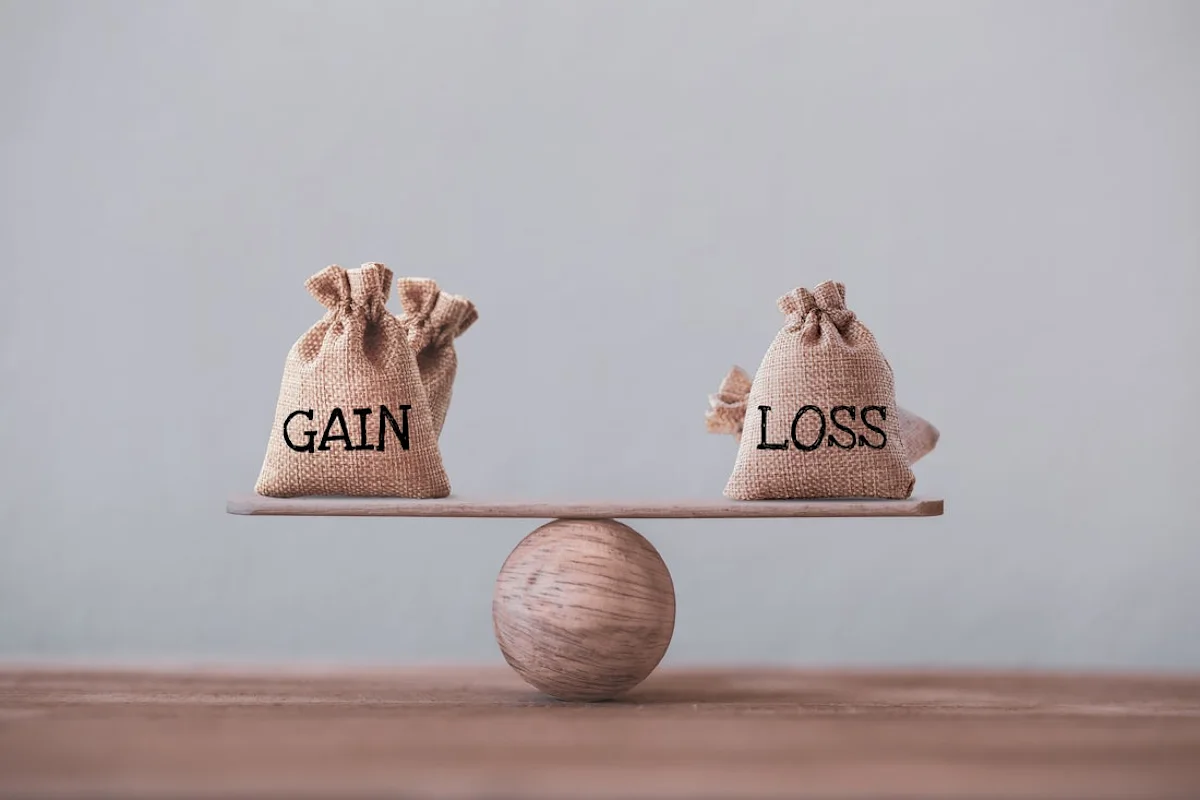
Few things catch a consumer’s eye more quickly than the word “free,” and now, major brokerages have gotten into the game. The race to zero-fee has led more brokerages to offer exchange-traded funds (ETFs) with 0% expense ratios. However, as the old saying goes, if something seems too good to be true, it probably is. Those zero-fee ETFs can come with hidden expenses that can quietly and methodically erode your returns. Here’s why the best ETFs may not be free. Missed Nvidia in 2009? This Rare Signal Is Flashing Again. In 2009, a “Double Down” signal flashed for a little-known chipmaker called Nvidia. For the first time in years, that same “Total Conviction” signal is flashing for a company 1/100th the size of Nvidia. Continue » Image source: Getty Images. Bid and ask Even if you’re not paying a management fee, it’s possible that you’re paying through wider bid-ask spreads. Each time an ETF share trades hands, there’s a difference (spread) between the price buyers will pay (the “bid”) and the price sellers are willing to accept (the “ask”). Instead of opting for the fund with a 0% expense ratio, imagine you go with one charging 0.03%. If that fund charging 0.03% trades with a $0.01 spread, and the “free” fund has a $0.05 spread, you may be financially ahead paying an expense ratio. The goal of any ETF should be to minimize expenses to maximize returns. Even a spread of a few cents per transaction can slowly erode the value of your ETF. Loss leaders When a business sells a product or service at a loss with the goal of getting you to spend more with it overall, it’s called a loss leader. One example is a bank that offers free checking but profits from overdraft and credit card fees, as well as from cross-selling investments and loans. Free ETFs are sometimes referred to as loss leaders for the same reason. Firms are making up that money in other ways, such as securities lending or using the free fund to encourage you to move into other, higher-fee products. Always question whether the broker’s priority is to help you build a healthy investment portfolio or line its own pockets. What to look for As with any investment, take time to examine a zero-fee ETF before diving in. Here are three factors you’ll want to check out. Fund performance: Study the ETF’s performance over different time frames. Compare that performance against the relevant benchmark or index. For example, if you’re considering an ETF that tracks the S&P 500, make sure the fund’s performance closely mirrors that of the S&P 500 during the same period. Holdings: Review the funds’ underlying assets to ensure they fit your investment strategy. If you’re a relatively low-risk investor, you may not want a fund that tracks primarily high-risk assets. Liquidity: Make sure the ETF has sufficient trading volume to facilitate easy buying and selling. While you’re at it, consider the bid-ask spread. A narrower spread is a good indicator of liquidity and lower transaction costs. ETFs can make a great addition to a well-diversified portfolio. However, as you determine which fund works best for you, there’s more to consider than just being fee-free. Missed Nvidia in 2009? This Rare Signal Is Flashing Again In 2009, a “Double Down” signal flashed for a little-known chipmaker called Nvidia. If you’d invested $5,000 then, you’d be sitting on $2,709,204 today.* Now, for the first time in years, that same “Total Conviction” signal is flashing for a company 1/100th the size of Nvidia. It’s a key player in the $1.8 trillion space race, and with the stock recently sitting 20% off its highs, the window to get in early is closing fast. Continue » *Stock Advisor returns as of June 22, 2026 The Motley Fool has a disclosure policy. The Hidden Costs of “Free” ETFs: What Zero-Fee Funds Could Do to Your Portfolio was originally published by The Motley Fool
Source link

ASX Sector Performance Analysis: Financials Lead Defensive Rally as Industrials and Materials Weaken

This article (“Article”) has been prepared by Kalkine Pty Limited (ABN 34 154 808 312) (Australian financial services licence number 425376) (“Kalkine”) and its related...
Read moreDetails