
























The Central Bank of Kenya (Amendment) Act, 2026, establishes a legal framework for Emergency Liquidity Assistance (ELA), allowing the central bank to lend to eligible financial institutions during periods of financial stress to prevent wider instability across the banking system.
Under the new law, emergency funding will only be available to institutions that the CBK considers solvent and viable, are not under liquidation, and whose failure could threaten the stability of Kenya’s financial system.
The assistance will be temporary, discretionary and backed by collateral acceptable to the central bank.
Loans issued under the framework will generally be repayable within 12 months, although the CBK may extend the repayment period where necessary.
The reforms mark one of the most significant updates to Kenya’s banking crisis management framework in years, coming as regulators worldwide strengthen financial safeguards following recent global banking turmoil and growing concerns over systemic financial risks.
Emergency liquidity assistance is widely regarded as a central bank’s lender-of-last-resort function, providing short-term funding to otherwise healthy banks facing temporary liquidity shortages.
The objective is to prevent isolated funding problems from triggering broader panic, deposit withdrawals or financial contagion.

Kenya’s move also reflects lessons from previous banking failures that exposed weaknesses in crisis management, including the collapses of Chase Bank, Imperial Bank and Dubai Bank, which prompted sweeping reforms in banking supervision and resolution over the past decade.
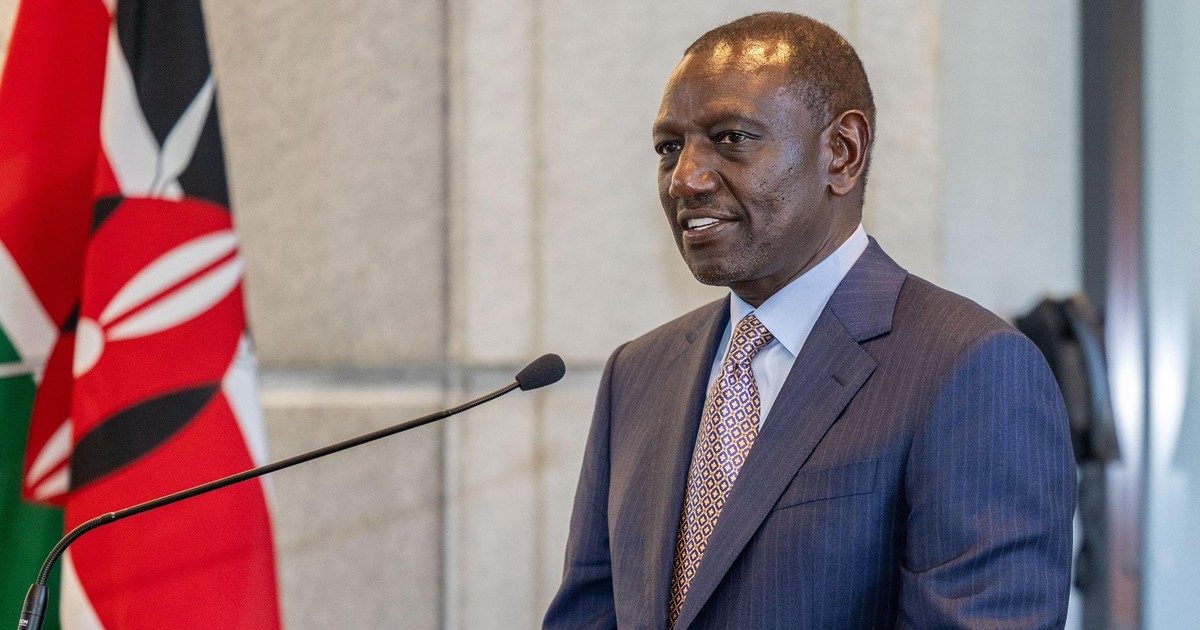
President Ruto said the amendments are intended to strengthen the CBK’s capacity to safeguard financial stability, improve banking oversight and modernise Kenya’s monetary policy framework.
Beyond establishing the emergency funding mechanism, the law broadens the central bank’s statutory responsibilities by formally recognising financial system stability, banking sector resilience and market integrity as key objectives alongside its primary mandate of maintaining price stability.
The legislation also expands the CBK’s reserve management powers, allowing it to buy, sell, hold, transport and refine not only foreign exchange and gold but also gold bullion, gold coins, silver, platinum and other precious metals under terms determined by the regulator.
The provision comes as central banks around the world—including several in Africa—have increased their interest in gold reserves to diversify reserve assets, strengthen balance sheets and reduce exposure to currency volatility during periods of heightened geopolitical and economic uncertainty.
The amendments further provide legal backing for the Central Bank of Kenya Institute of Monetary Studies, enabling the CBK to expand training and capacity-building programmes for its staff, public institutions and financial sector professionals while strengthening collaboration with regional and international institutions.
Governance reforms were also introduced. Future nominees for the positions of deputy governor will now require approval by the National Assembly before appointment, bringing the process into line with the Constitution and matching the approval process for the governor.

The legislation also replaces outdated references to the former Deposit Protection Fund Board with the Kenya Deposit Insurance Corporation, reflecting the country’s current deposit insurance framework.
The latest amendments build on a broader programme of financial sector reforms undertaken by the CBK in recent years.
Kenya expanded the central bank’s oversight of digital lenders in 2021 and later extended regulation to non-deposit-taking credit providers, as authorities sought to improve consumer protection while maintaining financial stability in one of Africa’s most dynamic financial markets.
For investors, the new law offers greater clarity on how Kenya would respond to future banking stress.
A well-defined lender-of-last-resort framework is widely seen as strengthening confidence in the financial system by reducing uncertainty over how authorities would manage a crisis while limiting the risk of wider contagion.
The reforms also bring Kenya closer to international best practice as African central banks increasingly strengthen crisis management tools to improve financial resilience, protect depositors and support long-term economic growth.
Kenya has created a formal legal framework for rescuing solvent banks during periods of financial stress, reducing the risk that liquidity problems at one lender could spread across the banking sector.
The reforms strengthen investor confidence, modernise banking supervision and align Kenya’s financial safety net with international regulatory standards.
Source: Original Article