










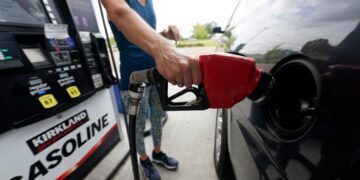







Tyler Schipper, an associate professor of economics and data analytics at the University of St. Thomas, spoke with Newsweek about why gasoline prices do not immediately fall when crude oil prices decline. Schipper offered insight into the economic factors driving fuel prices and what consumers can expect as energy markets continue to stabilize.
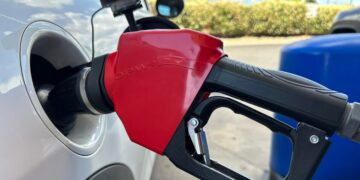
From the article: “While oil companies have certainly profited from elevated prices, much of the recent easing in gasoline prices reflects falling crude oil prices from weeks ago,” Tyler Schipper, an associate professor in the Department of Economics at the University of St. Thomas, told Newsweek.
“There is always a delayed response at the pump: Gas prices follow oil prices, but they do not move in lockstep with today’s headlines. Markets seem to be responding as most experts would predict, with gasoline prices coming down as oil prices fall, but taking time to return to pre-conflict levels,” he said.
Schipper added: “Bottom line: As a driver, I’d love gas prices to be lower. As an economist, I’m not at all surprised they are not.”
Schipper expects gas prices to continue trending downward as oil prices ease, but he warns that progress will eventually slow.
“Factors like countries replenishing their reserves, higher transport costs through the Strait of Hormuz and a return to normal energy consumption will offset some of the recent supply-side gains,” Schipper said.