









For years, investors have been told that gold is a relic.
It pays no yield.
It sits in a vault.
It’s old-fashioned.
And yet the people running the world’s monetary systems keep buying it.
Not all of them. Not all at the same pace. But enough of them to establish a clear trend.
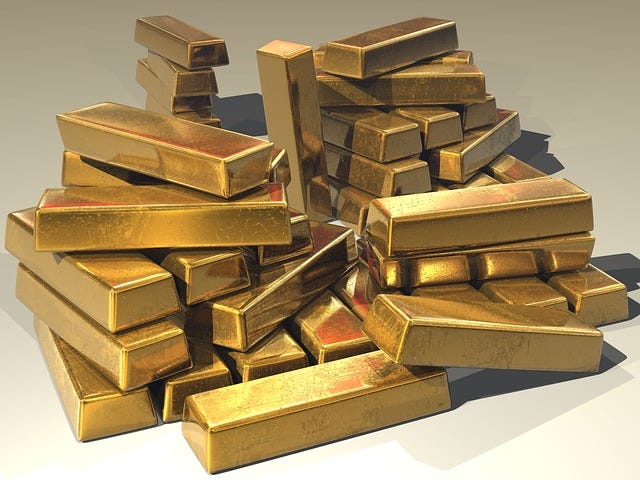
Central banks have been among the largest sources of gold demand in recent years.
That fact matters more than the monthly rankings.
Still, investors naturally want to know who’s buying.
China has been a major buyer.
India has been adding to its reserves.
Turkey has remained active.
Poland has made sizeable purchases.
Countries such as Singapore, Qatar, Egypt, Kazakhstan, Uzbekistan, and the Czech Republic have also increased their holdings at various points.
The names change.
The trend doesn’t.
Central banks continue accumulating gold.
The obvious question is why.
Why This Question Matters in 2026
The answer is not difficult to find.
Look at the world around us.
Government debt continues climbing.
Deficits continue growing.
Most major currencies buy less every year than they did the year before.
Geopolitical tensions are rising rather than falling.
The global financial system is carrying more leverage than most people realize.
None of this is secret information.
Central bankers see the same numbers everyone else sees.
The difference is that they have to prepare for what happens if things don’t go according to plan.
Gold is one way they do that.
Gold is not someone else’s liability.
It is not dependent on a government’s promise.
It is not dependent on a central bank’s credibility.
It is not dependent on a bank remaining solvent.
Those characteristics become attractive when uncertainty starts to rise.
That is true whether you’re managing a nation’s reserves or your family’s savings.
Which Central Banks Have Been Buying Gold?
China’s purchases receive the most attention.
Part of that is because China is a major economic power. Part of it is because many observers believe China wants less exposure to dollar-denominated reserves.
Whether that’s the primary motivation or not, the purchases speak for themselves.
Gold continues moving into China’s reserves.
India has also been a steady buyer.
That shouldn’t surprise anyone familiar with the country’s history and relationship with gold.
Turkey has accumulated substantial amounts of gold over the years as it navigated repeated episodes of currency instability.
Poland has become one of Europe’s most notable buyers. Polish officials have openly discussed the importance of holding significant gold reserves.
Other countries have joined the trend as well.
The details vary.
The conclusion does not.
Gold remains an asset central banks want to own.
What Investors Should Learn From This
The lesson isn’t that investors should blindly follow central banks.
Governments make mistakes all the time.
Central banks make even more.
The lesson is that institutions responsible for managing reserves still see value in holding an asset with no counterparty risk.
That alone deserves consideration.
Most investors today are heavily concentrated in paper assets.
Stocks.
Bonds.
Mutual funds.
ETFs.
Retirement accounts.
None of those are inherently bad.
Most investors should own them.
But they all depend on the same underlying financial architecture.
Gold does not.
That difference is precisely why central banks hold it.
Diversification Means Owning Different Things
Real diversification isn’t owning twenty different mutual funds.
It’s owning assets that respond differently when conditions change.
Gold has historically filled that role.
Sometimes it outperforms.
Sometimes it underperforms.
But it doesn’t move in lockstep with the rest of the financial system.
That’s valuable.
Physical Assets Still Matter
Modern finance has convinced many people that wealth is simply a number on a screen.
Until it isn’t.
Physical gold remains attractive because ownership is straightforward.
There is no issuer.
No management team.
No earnings report.
No quarterly guidance.
No promise from a politician.
It simply exists.
For thousands of years, that has been enough.
Think Like an Owner, Not a Trader
One of the biggest mistakes investors make with gold is treating it like a momentum trade.
Central banks don’t buy gold that way.
They accumulate reserves over years.
Sometimes decades.
They are not trying to guess what gold will do next month.
They’re trying to preserve purchasing power over the long run.
Investors would benefit from adopting a similar perspective.
Common Questions
Does Central Bank Buying Mean Gold Has To Go Higher?
No.
Markets don’t work that way.
Gold prices move for many reasons.
Central bank demand is one factor among many.
What central bank buying tells us is not where gold will trade next quarter.
It tells us how reserve managers view risk.
Should Investors Buy Gold Just Because Central Banks Are Buying?
No.
Every investor has different goals.
What central bank activity provides is information.
It reveals how institutions with enormous resources are positioning themselves.
Investors can draw their own conclusions.
What If Gold Falls After You Buy?
Then you’ll experience what every investor experiences eventually.
Markets move.
Prices fluctuate.
The more useful question is whether the reasons you bought gold have changed.
If your goal is long-term wealth preservation, short-term price movements become much less important.
The Bigger Takeaway
The most important part of this story is not whether China bought more gold than Poland.
Or whether Turkey bought more than India.
The important part is that central banks continue choosing gold at all.
These are the institutions that create fiat currency.
These are the institutions that oversee modern monetary systems.
Yet many continue allocating reserves to a monetary metal that has survived every paper currency experiment in history.
Investors should pay attention to that.
Not because central banks are always right.
But because their actions often reveal what their public statements do not.
And right now, their actions continue to point toward gold.
Source: Original Article