








The Ceasefire Premium Has Evaporated
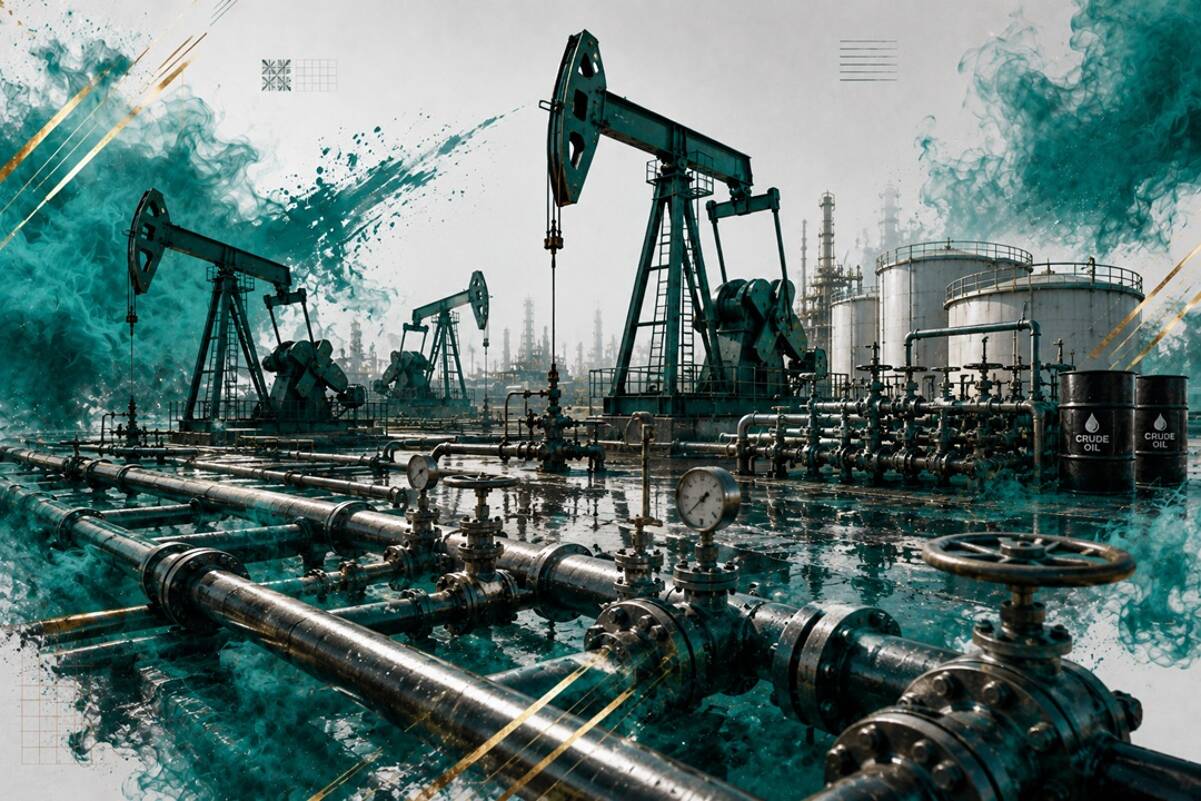
Iranian attacks on three commercial vessels, including an Oil tanker and an LNG carrier, prompted operators to pause transit attempts. Washington answered with strikes on air-defence systems, command networks, coastal radar and anti-ship capabilities. Tehran retaliated against U.S military facilities in Bahrain and Kuwait.
President Donald Trump then declared the ceasefire “Over”, dismissed June’s memorandum of understanding and withdrew a temporary sanctions waiver covering Iranian oil and petrochemical sales.
“The market treated the agreement as a return to normality rather than a temporary interruption in hostilities,” says Lars Hansen, Head of Research at The Gold & Silver Club. “That assumption is now being repriced in real time.”
The Hidden Hormuz Trade Is Not Oil
Around one-third of global seaborne fertiliser trade passes through the Strait of Hormuz. Gulf producers are major exporters of urea, ammonia and sulphur – critical inputs at the beginning of the global food-production chain. Hundreds of thousands of tonnes remain delayed, while industry estimates suggest meaningful normalisation may not arrive before August.
This is where Cocoa enters the story.
West Africa supplies roughly 70% of the world’s Cocoa. When fertiliser deliveries are interrupted during planting and growing periods, farmers either apply less, pay substantially more or receive supplies too late. Every outcome threatens yields.
Source: Original Article