












Minutes of the Federal Reserve’s June meeting showed unanimity in keeping interest rates unchanged, although they revealed a range of opinions about the future course of monetary policy.
Make Your Inbox Smarter
Sign up for these free email newsletters from U.S. News:
Pick Newsletters
While generally acknowledging that the economy continued to grow, there was widespread agreement that inflation was too high and well above the Fed’s 2% annual target. But some members of the committee that sets interest rates said they thought inflation would subside in the second half of 2026, while others worried that inflation might take longer to tame and require an increase in interest rates.
“Many participants indicated that the appropriate level of the federal funds rate would be within or slightly below the current target range at the end of this year,” the minutes stated. But, “many other participants, however, assessed that the appropriate level of the federal funds rate would be above the current target range at the end of this year.”
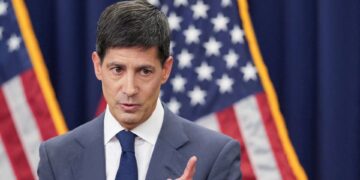
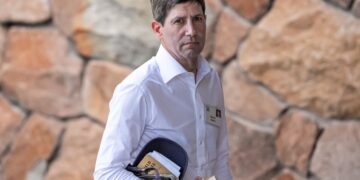
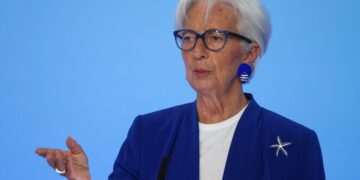
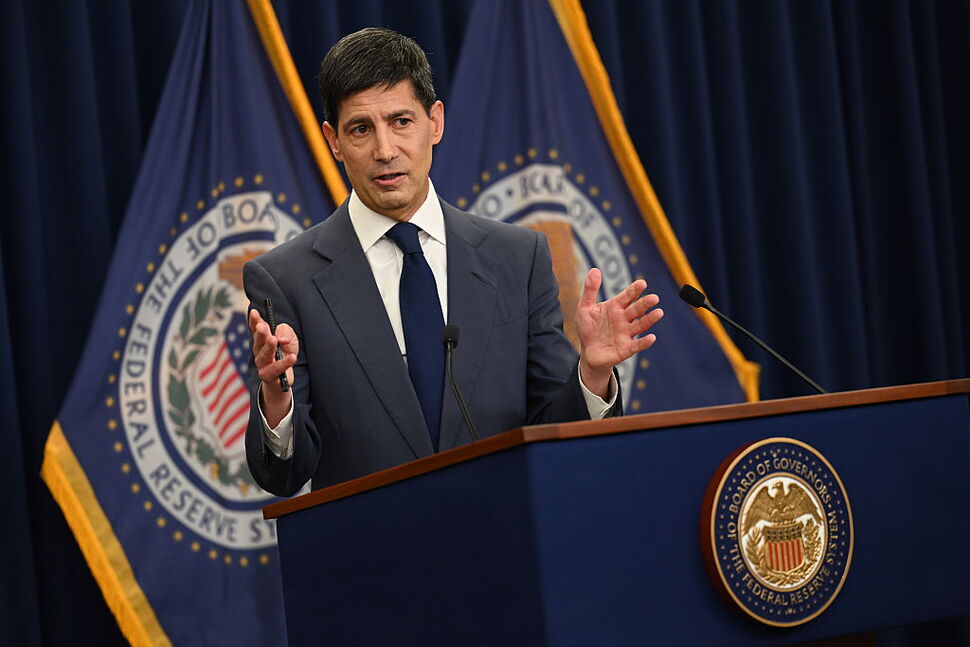
The June meeting was the first for Kevin Warsh as chairman, and the minutes reflected the kind of “family fight” that Warsh has used to describe how he thinks Fed decision-making should play out.
In comments last week at a central bank symposium in Portugal, Warsh reiterated the Fed’s commitment to lowering inflation toward its 2% annual target.
“We’ve all looked around, and we’ve seen that prices are too high,” Warsh said at the European Central Bank forum on central banking in Sintra.
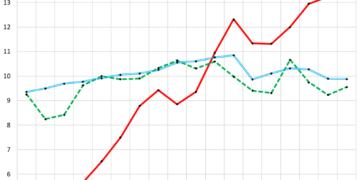
The Fed’s most recent projections have inflation rising 3.6% this year, down from 2.7% previously.
Where once markets priced in interest rates this year, now they think the Fed could remain on hold for a while with some even saying rates could be raised.
As a new chairman, Warsh has set out to differentiate himself from his predecessor, Jerome Powell, by setting up five committees to study all issues of the Fed’s operations. He has indicated he wants more real-time and private sector data used in the organization’s decisions and also less direct transparency with the public. That would have the Fed move away from the “forward guidance” it has previously provided markets on its upcoming interest rate moves.
“However, barring a negative growth surprise or a meaningful equity drawdown, Treasury yields are unlikely to fall meaningfully lower as Fed cuts remain off the table for now,” BCA Research strategist Felix Vezina-Poirier, wrote in an email.
The Dow Jones Industrial Average was already in negative territory Wednesday, having fallen more than 500 points after President Donald Trump said at a NATO summit in Turkey that talks with Iran over a ceasefire of hostilities were “over.”
That also led to an immediate increase in oil prices and market interest rates. It is likely the next few days will see volatility in the markets as the Fed minutes are analyzed and oil prices fluctuate.
“The Fed is divided, but moving (forward) in a hawkish direction,” David Russell, global head of market strategy at TradeStation, wrote in an email. “Policymakers don’t want inflation to get out of control, and the low unemployment rate gives them space to hike if needed. As we see with energy today, there are still plenty of risks. Today’s minutes also confirm the Fed’s shift to shorter statements and less forward guidance. Kevin Warsh’s influence is already being felt there.”
Source: Original Article