













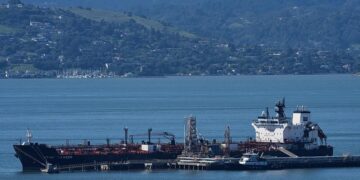







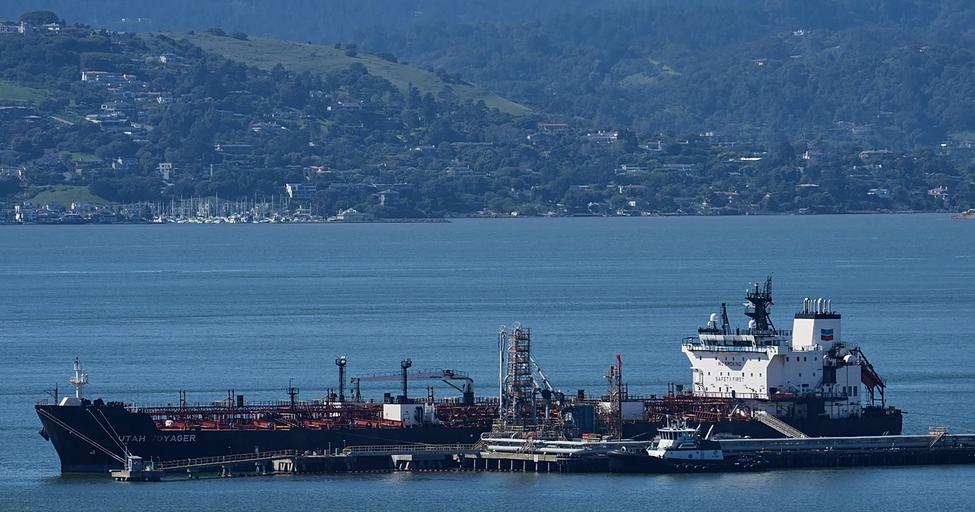
Following the reported attack on a liquefied natural gas (LNG) carrier near the Strait of Hormuz, the European natural gas benchmark surged by more than 4.5%, reaching €46, or approximately $52.5, per megawatt-hour. Brent crude oil prices also rose by 1.2% to around $73 per barrel, marking their highest level in a week.
The Islamic Republic’s state television claimed that the Qatari vessel, which it described as U.S.-backed, was targeted after ignoring warnings. Islamic Republic officials have not yet claimed responsibility for the attack.
Meanwhile, foreign ministers of NATO member states are scheduled to meet on Tuesday on the sidelines of the alliance’s leadership summit with their counterparts from Bahrain, Kuwait, Qatar, and the United Arab Emirates to discuss the situation in the Strait of Hormuz and ways to secure maritime navigation along the route.
A central focus of the meeting is a proposal by France and the United Kingdom to establish a multinational maritime mission aimed at protecting the transit of commercial vessels, a plan that the Islamic Republic has previously opposed.
The meeting takes place against the backdrop of criticism from Donald Trump regarding the reluctance of certain NATO allies to contribute to the security of the Strait of Hormuz. A senior U.S. official also stated that protecting navigation in the waterway would be a primary topic of discussion among NATO leaders, though many allies within the coalition lack the naval capacity and equipment to participate effectively in such an operation.
The Strait of Hormuz remains one of the world’s most critical transit corridors for oil and gas, and any disruption to its security rapidly impacts global energy markets and maritime shipping.
Earlier this morning, Alaeddin Boroujerdi, a member of the parliament’s National Security and Foreign Policy Committee, pointed to the recent tensions in the Strait of Hormuz, stating that any action taken in this waterway without coordination with the Islamic Republic is “doomed to fail.” He further claimed that the decision regarding what he termed “changing the regime governing the Strait of Hormuz” has been made at the “highest levels of the system” and that this decision is “definitively final and enforceable.”
Boroujerdi added that the parliament is currently reviewing the “Strait of Hormuz Management Law” and that the Islamic Republic will pursue any action in the waterway strictly within the framework of its national interests and security.
Source: Original Article