

























Key Takeaway
The artificial intelligence revolution has entered what analysts are calling a “supercycle” in 2026, fundamentally reshaping global financial markets and creating unprecedented polarization between AI-driven sectors and traditional industries. This transformation is not merely a technological shift but an economic restructuring that is redistributing trillions of dollars in market value. Investors who understand the mechanics of this polarization—and position their portfolios accordingly—stand to capture significant returns, while those who fail to adapt risk being left behind in stagnating sectors.
The evidence of this supercycle is everywhere. Corporate earnings reports increasingly highlight AI-related revenue streams, venture capital continues to pour into machine learning startups at record rates, and traditional valuation metrics are being rewritten for companies successfully integrating artificial intelligence into their operations. However, this growth has created a stark divide: AI-enabled companies are experiencing explosive growth while legacy businesses face mounting pressure to adapt or face obsolescence. This divergence represents both the greatest opportunity and the most significant risk for investors in the current market environment.
Understanding this polarization requires looking beyond simple sector classifications. It is not just about technology stocks versus everything else—it is about identifying which companies are genuinely leveraging AI to transform their business models versus those merely paying lip service to the trend. The market is becoming increasingly sophisticated at distinguishing between these categories, and the valuation gap between true AI leaders and pretenders continues to widen.
The AI Supercycle: Understanding the Economic Impact
Defining the Supercycle
An economic supercycle refers to an extended period of structural change driven by transformative technology that fundamentally alters production, consumption, and investment patterns. The AI supercycle of 2026 fits this definition perfectly, with artificial intelligence touching virtually every aspect of economic activity. Unlike previous technology cycles that affected specific industries, AI is a general-purpose technology with applications spanning healthcare, finance, manufacturing, transportation, and entertainment.
The scale of investment flowing into AI infrastructure is staggering. Data center construction has reached historic highs, with specialized facilities designed specifically for AI training and inference popping up across the globe. Semiconductor manufacturers, particularly those producing GPUs and specialized AI chips, are operating at full capacity with backlogs extending months into the future. This infrastructure build-out represents a multi-year investment cycle that will continue to drive demand for related goods and services.
What distinguishes this supercycle from previous technology booms is its simultaneous impact on both supply and demand sides of the economy. On the supply side, AI is dramatically improving productivity across industries by automating routine tasks, optimizing supply chains, and accelerating research and development. On the demand side, entirely new categories of AI-powered products and services are creating consumption opportunities that did not exist just a few years ago. This dual impact creates a self-reinforcing cycle of growth that can sustain itself over an extended period.
Productivity Gains Across Sectors
The productivity implications of AI adoption are becoming increasingly visible in corporate earnings reports. Companies that have successfully integrated AI tools into their operations are reporting efficiency gains of 20-40% in areas such as customer service, code development, content creation, and data analysis. These gains translate directly to improved margins and competitive positioning, allowing AI-enabled firms to either increase profitability or reinvest savings into growth initiatives.
In the software industry, AI-assisted coding tools have reduced development timelines by an average of 30%, allowing companies to bring products to market faster and respond more quickly to customer needs. Marketing teams leveraging AI for content personalization and campaign optimization are seeing engagement rates improve by 50% or more compared to traditional approaches. Customer service operations using AI chatbots and assistants are handling significantly higher volumes while maintaining or improving satisfaction scores.
Manufacturing sectors are experiencing similar transformations through predictive maintenance, quality control automation, and supply chain optimization. Early adopters in industrial AI are reporting equipment downtime reductions of up to 50% and defect rate improvements of 60-80%. These operational improvements create sustainable competitive advantages that are difficult for slower-moving competitors to replicate, further cementing the market position of AI leaders.
Investment Flows and Market Capitalization Shifts
The capital markets have responded to these developments with dramatic reallocations. AI-focused companies have captured an increasingly large share of global market capitalization, with the top AI leaders now representing a significant portion of major indices. This concentration has created both opportunities and risks for investors, as the performance of these companies increasingly drives overall market returns.
Venture capital investment in AI startups reached unprecedented levels in 2025 and continues to accelerate in 2026. The 1.9 billion invested in Health Services Technology alone demonstrates the scale of capital flowing into AI-enabled business models. This funding is creating a pipeline of innovative companies that will either disrupt established players or be acquired at premium valuations, further concentrating market value in AI-centric businesses.
The IPO market has also reflected this trend, with AI-enabled companies commanding premium valuations compared to traditional businesses with similar revenue profiles. The 2025 cohort of VC-backed IPOs was notably larger, more profitable, and operationally mature than previous years, indicating that AI companies are reaching scale faster and with better unit economics than their predecessors. This pattern suggests that the AI supercycle is creating genuinely sustainable business models rather than speculative bubbles.
Market Polarization: Winners and Losers
The AI-Enabled Premium
Market polarization has created a valuation premium for companies successfully leveraging artificial intelligence. This premium manifests in higher price-to-earnings ratios, price-to-sales multiples, and enterprise value-to-EBITDA ratios compared to non-AI peers. While some observers have raised concerns about bubble-like valuations, the underlying performance of AI leaders suggests that much of this premium is justified by superior growth prospects and operational efficiency.
The premium is most pronounced in sectors where AI can be directly monetized, such as cloud computing, software-as-a-service, and digital advertising. Companies like Nvidia, Microsoft, and Google have seen their valuations expand significantly as investors price in continued dominance in AI infrastructure and applications. However, the premium is also evident in traditional industries where early AI adopters are gaining market share from slower competitors.
What makes this polarization particularly challenging for investors is that it cuts across traditional sector boundaries. A manufacturing company with sophisticated AI-driven predictive maintenance may command a higher valuation than a technology company with limited AI capabilities. This requires investors to look deeper than sector classifications and evaluate individual companies’ AI strategies and execution capabilities.
Sectors Under Pressure
While AI-enabled companies soar, many traditional sectors face existential challenges. Industries reliant on routine cognitive tasks—such as basic legal services, accounting, data entry, and customer support—are experiencing margin compression as AI tools enable automation at scale. Companies in these sectors that fail to adapt their business models risk being disrupted by AI-native competitors with fundamentally lower cost structures.
The retail sector illustrates this dynamic clearly. Traditional retailers without sophisticated AI-driven personalization and inventory management are losing market share to competitors using machine learning to optimize every aspect of their operations. The gap between AI-enabled retailers and traditional players is widening, with the former achieving higher conversion rates, lower return rates, and better inventory turns.
Even sectors not directly threatened by AI disruption face pressure as capital reallocates toward growth opportunities. Utilities, traditional manufacturing, and commodity producers have seen their relative valuations decline as investors prioritize exposure to AI-driven growth. This creates a self-reinforcing cycle where lower valuations make it harder for these companies to raise capital for necessary investments, further widening the gap with AI leaders.
The Middle Ground Disappears
Perhaps the most striking feature of the current market is the disappearance of the middle ground. Companies are increasingly sorted into two categories: those successfully leveraging AI to create competitive advantages and those struggling to adapt. The mediocre middle—companies with average performance and limited differentiation—is being squeezed as capital and talent flow to the leaders.
This bifurcation creates both risks and opportunities for investors. On the risk side, many seemingly stable companies in traditional industries face sudden disruption as AI-native competitors achieve scale. On the opportunity side, identifying companies in the early stages of successful AI transformation can generate substantial returns as the market recognizes their improved prospects.
The polarization also affects employment markets, with AI-enabled companies able to offer premium compensation to attract top talent, further strengthening their competitive position. This talent concentration makes it increasingly difficult for lagging companies to catch up, as they struggle to hire the expertise necessary for AI transformation.
Macroeconomic Factors Shaping the Landscape
Federal Reserve Policy and Interest Rates
The Federal Reserve’s approach to monetary policy in 2026 is creating a complex backdrop for the AI supercycle. With the federal funds rate maintained at 3.50% to 3.75%, borrowing costs remain elevated by historical standards, theoretically putting pressure on growth stocks. However, AI leaders have demonstrated sufficient pricing power and operational efficiency to maintain strong earnings growth even in this higher-rate environment.
The appointment of Kevin Warsh as Fed Chair has introduced a new communication approach, with the removal of traditional forward guidance in favor of pure data dependence. This has increased market volatility around economic data releases but has not fundamentally altered the trajectory of AI investment. If anything, the uncertainty has favored companies with clear AI-driven growth stories, as investors seek refuge from macroeconomic concerns in secular growth trends.
Inflation remains a key concern, with the CPI increasing 4.2% year-over-year as of May 2026. While some of this inflation is attributable to AI-related infrastructure investment, the Fed’s commitment to maintaining restrictive policy until inflation moderates creates a ceiling on valuation multiples. This dynamic favors AI companies with demonstrated profitability over speculative ventures, as the cost of capital makes cash-burning growth strategies less viable.
Global Trade Tensions and Supply Chain Realignment
Geopolitical tensions continue to influence the AI landscape, particularly regarding semiconductor supply chains and technology transfer restrictions. The competition between major economies over AI leadership has led to increased protectionism, with countries implementing measures to protect domestic AI industries and limit access to critical technologies.
These tensions have accelerated supply chain localization efforts, with significant investments in domestic semiconductor manufacturing capacity. While this increases costs in the near term, it reduces long-term supply chain risks and creates new investment opportunities in infrastructure and equipment providers. Companies with diversified supply chains and limited exposure to geopolitical flashpoints command valuation premiums.
The USMCA review in July 2026 represents a key milestone for North American trade relations, with potential implications for AI companies operating across borders. While major disruptions are unlikely, the negotiations could affect cross-border data flows and technology transfer rules, creating both compliance costs and competitive advantages for companies with sophisticated regulatory capabilities.
Energy Transition and Infrastructure Demands
The energy requirements of AI infrastructure have become a significant factor in market dynamics. Data centers powering AI training and inference consume enormous amounts of electricity, creating demand for both traditional and renewable energy sources. This has driven investment in power generation, grid infrastructure, and energy efficiency technologies.
The commodity markets have responded to these demands with increased prices for metals essential to AI infrastructure, including copper for data center construction and various rare earth elements for semiconductor manufacturing. Companies positioned in these supply chains have benefited from the AI-driven demand surge, creating new categories of AI-adjacent investment opportunities.
Energy transition policies are also influencing the AI landscape, with regulatory pressure to power AI infrastructure with renewable sources. This creates both costs and opportunities, as companies investing in clean energy solutions for their data centers may benefit from regulatory preferences and improved ESG ratings.
Investment Strategies for the AI Era
Identifying Genuine AI Leaders
Distinguishing between companies genuinely leveraging AI and those merely marketing AI capabilities has become a critical investment skill. Genuine AI leaders typically demonstrate several characteristics: significant investments in AI infrastructure and talent, measurable productivity improvements from AI deployment, AI-driven revenue streams that are separately identifiable, and a clear strategic vision for how AI transforms their business model.
Financial metrics can provide clues to AI leadership. Companies successfully deploying AI often show improving gross margins as automation reduces costs, accelerating revenue growth as AI-enabled products gain market traction, and increasing R&D efficiency as AI tools accelerate development cycles. These metrics should be evaluated over time rather than at a single point, as the benefits of AI investment often compound.
Management commentary on earnings calls provides additional insight. Leaders in AI adoption typically provide specific examples of AI deployment and quantify the benefits, while laggards offer vague references to “AI initiatives” without concrete details. The depth and specificity of AI-related disclosure often correlates with actual progress in implementation.
Portfolio Construction Considerations
Building a portfolio for the AI era requires balancing exposure to AI leaders with diversification across sectors and geographies. Over-concentration in a small number of AI giants creates significant risk if regulatory or competitive dynamics shift, while under-exposure to AI trends risks missing the primary driver of market returns.
A balanced approach might include core positions in established AI infrastructure providers, satellite positions in emerging AI applications across various sectors, and selective exposure to traditional companies successfully executing AI transformation strategies. This structure captures the upside of AI leadership while maintaining diversification benefits.
Risk management is particularly important given the valuation premiums in AI sectors. Position sizing should reflect the volatility characteristics of AI stocks, and investors should be prepared for significant drawdowns if growth expectations are not met. Stop-loss orders and options strategies can provide downside protection for concentrated positions.
Long-Term Positioning
The AI supercycle is likely to extend over many years, suggesting that long-term positioning is more important than short-term trading. Investors should focus on identifying companies with sustainable competitive advantages in AI rather than chasing short-term momentum. These advantages might include proprietary data assets, unique AI models, deep integration of AI into core business processes, or network effects that improve with scale.
The transition to AI dominance will not be linear, and periods of consolidation or correction should be expected. These periods may provide attractive entry points for long-term investors who have identified quality companies trading at reasonable valuations. Patience and discipline in executing a long-term strategy will likely be rewarded as the AI supercycle continues to unfold.
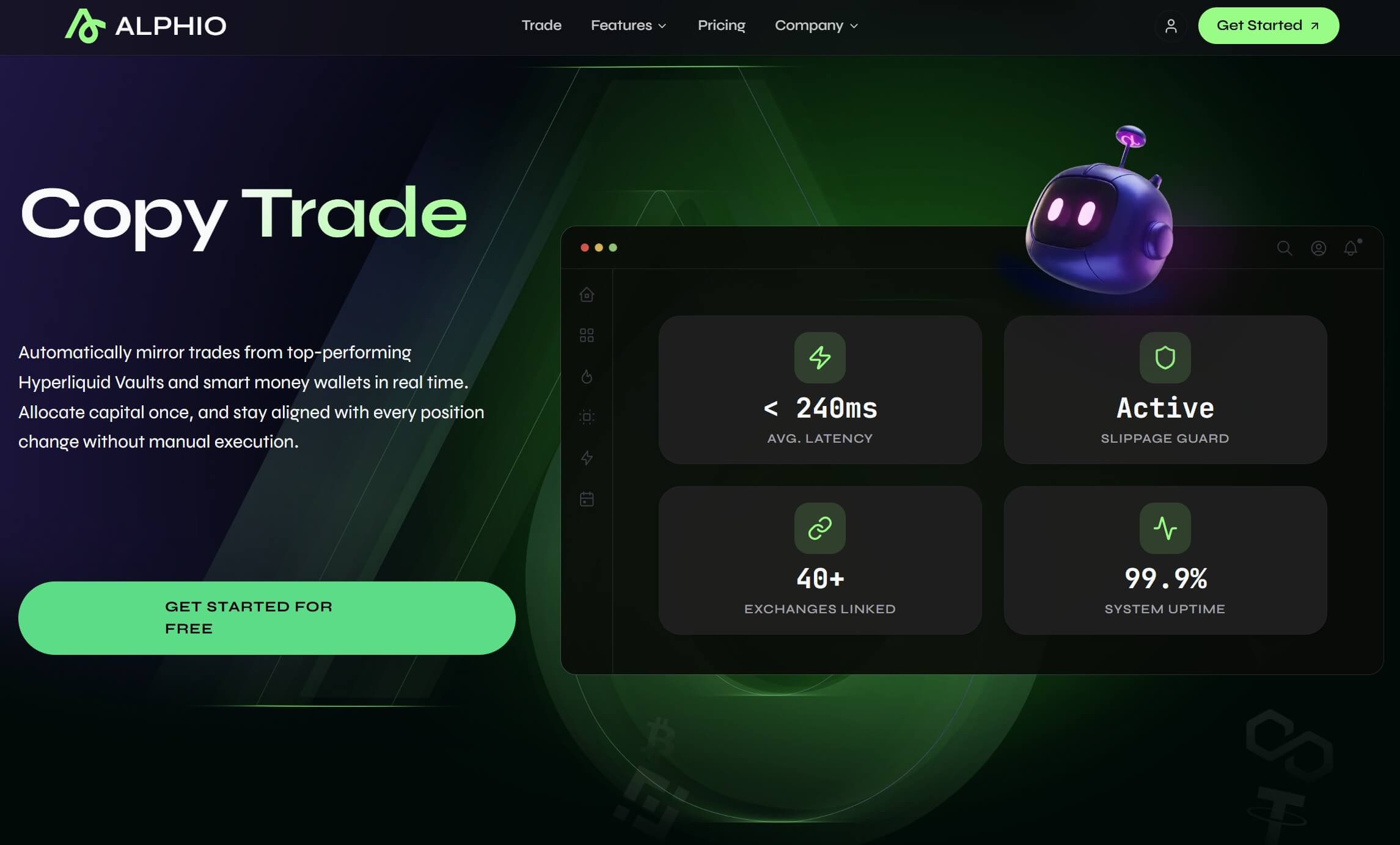
For investors seeking to enhance their trading strategies and capitalize on AI-driven market movements, consider using Alphio AI’s copy trading feature to mirror successful traders and smart money wallets.

Risk Factors and Potential Disruptions
Valuation Concerns and Bubble Dynamics
The high valuations of AI leaders have raised concerns about potential bubble dynamics. While current valuations are supported by strong earnings growth, any slowdown in AI adoption or competitive disruption could trigger significant corrections. Investors should monitor valuation metrics relative to growth rates and be prepared to reduce exposure if the risk-reward becomes unfavorable.
Historical parallels to previous technology bubbles—such as the dot-com era—suggest that while genuine transformation is occurring, not all participants will succeed. The current environment may be experiencing a “nesting doll” bubble, where legitimate AI transformation is overlaid with speculative excess in certain segments. Disciplined valuation analysis can help distinguish between these categories.
Regulatory risks also pose threats to high valuations. Antitrust scrutiny of dominant AI platforms could lead to structural separations or operational restrictions that impair growth prospects. Data privacy regulations might limit the data access that powers many AI models, reducing competitive advantages. Investors should monitor regulatory developments and assess their potential impact on portfolio holdings.
Technological Disruption Risks
The rapid pace of AI development creates risks for established leaders. Breakthrough technologies could render current AI approaches obsolete, disrupting companies that have invested heavily in existing infrastructure. The history of technology markets is filled with examples of dominant players being displaced by technological shifts, and the AI sector is unlikely to be an exception.
Open-source AI models present a particular challenge to proprietary AI businesses. As open-source alternatives approach the performance of commercial models, pricing pressure may intensify and competitive moats may narrow. Companies whose value proposition depends entirely on model performance without other differentiation factors are most at risk.
Hardware transitions also create disruption potential. The current dominance of GPU-based AI training may give way to alternative architectures—such as neuromorphic chips or quantum computing—that favor different suppliers. Investors should monitor technological developments and maintain flexibility to adjust positions as the technology landscape evolves.
Geopolitical and Macroeconomic Risks
The concentration of AI capabilities in a few countries and companies creates geopolitical vulnerabilities. Escalating tensions between major powers could lead to technology restrictions, supply chain disruptions, or market access limitations that impair the growth prospects of affected companies. Diversification across geographies and supply chain exposures can mitigate these risks.
Macroeconomic shocks—such as recessions, financial crises, or energy price spikes—could temporarily disrupt the AI supercycle. While the long-term trajectory of AI adoption appears robust, short-term setbacks are possible and could create significant volatility in AI-related stocks. Maintaining liquidity and avoiding excessive leverage provides flexibility to navigate these periods.
For those interested in automating their portfolio management during uncertain times, explore Alphio AI’s agentic trading to implement AI-powered trading strategies.
Conclusion
The AI investment supercycle of 2026 represents one of the most significant economic transformations in modern history. The polarization between AI-enabled companies and traditional businesses is not a temporary phenomenon but a structural shift that will continue to reshape markets for years to come. Investors who understand this dynamic and position their portfolios accordingly stand to benefit from the wealth creation this transformation will generate.
Success in this environment requires more than simply buying AI-related stocks. It demands careful analysis of which companies are genuinely leveraging AI to create sustainable competitive advantages, disciplined valuation discipline to avoid overpaying for growth, and risk management to navigate the inevitable volatility of a rapidly evolving landscape. The opportunities are substantial, but so are the risks of misidentifying true AI leaders or paying excessive valuations for future growth.
As we move through 2026 and beyond, the AI supercycle will likely continue to surprise observers with its speed and scope. New applications will emerge, existing leaders will face challenges from innovative competitors, and the boundary between AI and traditional businesses will continue to shift. Staying informed, maintaining flexibility, and focusing on long-term fundamentals will be essential for navigating this transformative period.
Ready to take advantage of AI-driven market opportunities? Start by exploring Alphio AI’s conversational trading platform to execute trades via natural language commands and stay ahead of market trends.

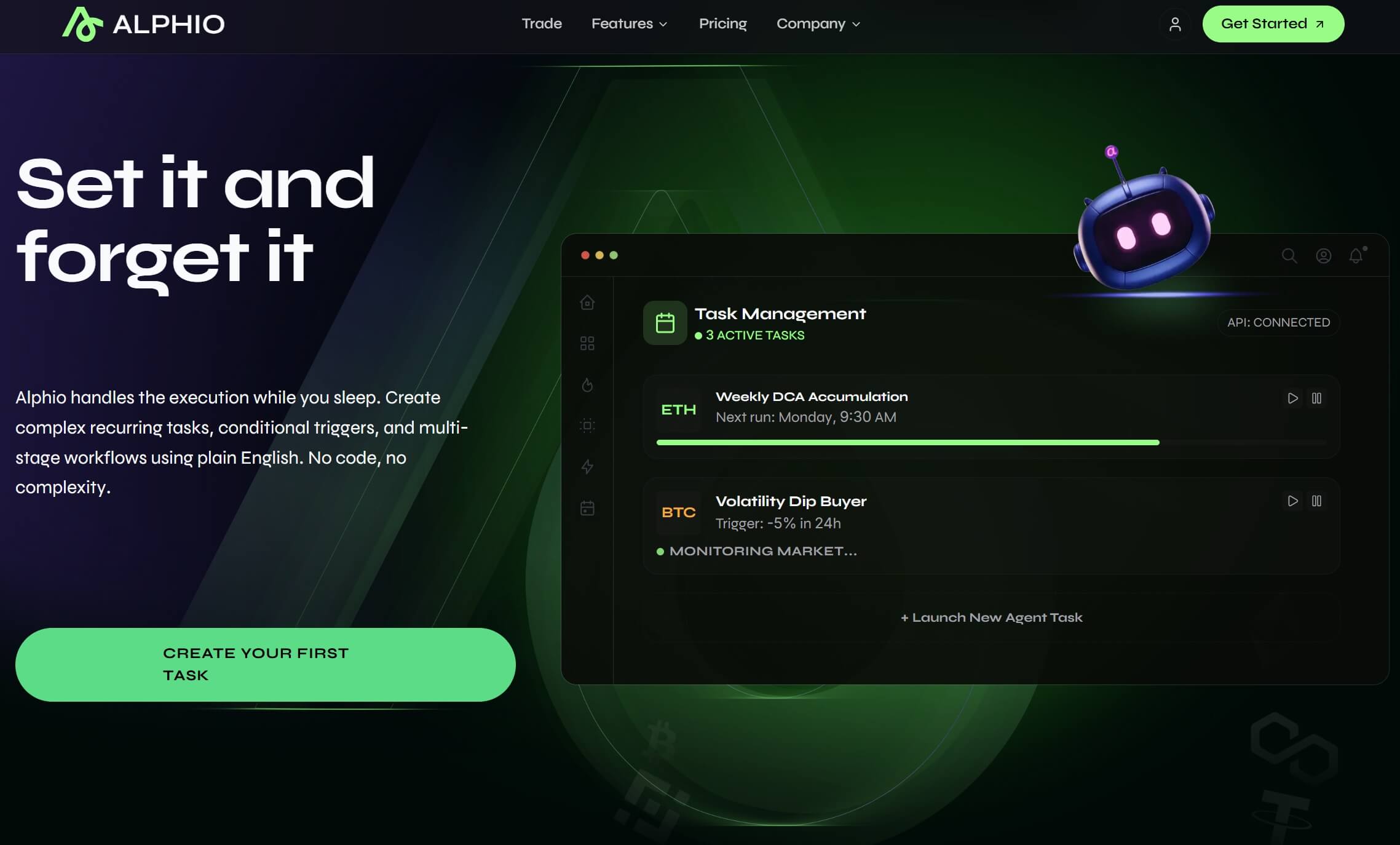
Additionally, set up automated trading workflows to ensure you never miss opportunities in the fast-moving AI sector.
Source: Original Article