









The cost of replacing fuel, not just the fuel already in the tank, can influence what drivers pay, AAA says
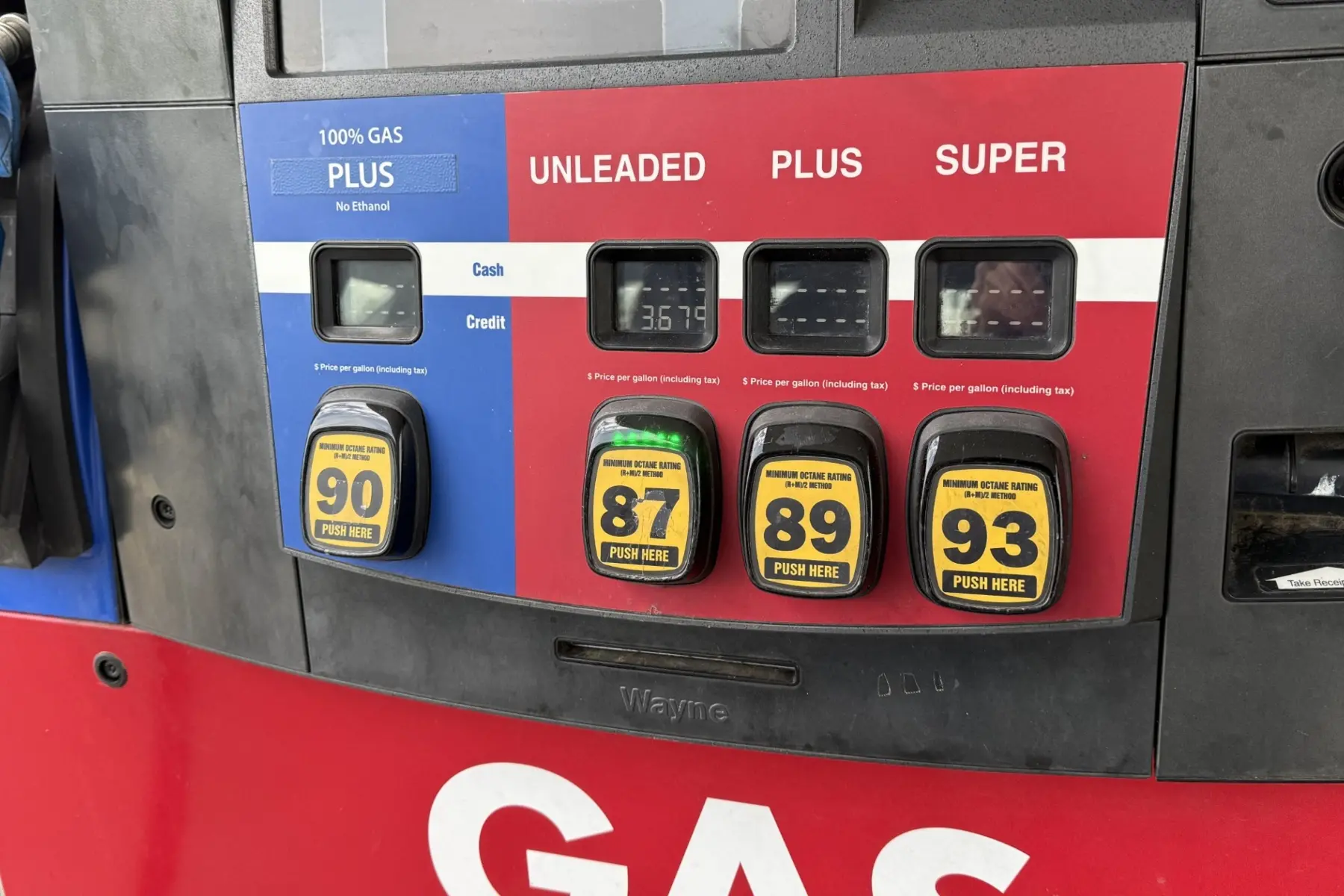
ASHEVILLE, N.C. (828newsNOW) — For drivers who saw gas prices jump by 20 or 30 cents per gallon overnight Thursday into Friday, the question was simple: How can the price change so much when the gasoline in the underground tank is the same fuel that was there the day before?
The answer, according to AAA Carolinas, comes down to how fuel markets work — and how quickly costs can move through the supply chain.
“Gas prices are primarily driven by movements in crude oil prices,” said Tiffany Wright, director of public affairs for North and South Carolina for AAA — The Auto Club Group. “Crude oil accounts for roughly half of what consumers pay at the pump.”
But crude oil is only one piece of the puzzle.
Recent increases in North Carolina gas prices have been influenced by several factors, including higher crude oil prices, tighter regional supply, refinery maintenance and increased demand during the summer travel season, AAA said.
Why can prices change so quickly?
The most immediate factor affecting what drivers pay is often the wholesale price of gasoline.
“When wholesale prices rise, often in response to crude oil trends or supply disruptions, retail stations typically follow,” Wright said.
That can happen quickly.
Retailers may change prices within hours depending on their inventory, market conditions and competition from nearby stations.
A station may still be selling gasoline purchased at an earlier, lower price, but owners often have to consider what it will cost to replace that fuel when their next delivery arrives.
“Stations may raise prices quickly to keep pace with replacement costs, especially if they anticipate paying more for their next delivery,” Wright said.
That means two stations only a few miles apart can sometimes have noticeably different prices depending on when they received their last fuel shipment and how they respond to market changes.
Why Asheville drivers may pay more
Gas prices can vary across North Carolina, and mountain communities like Asheville can sometimes see higher prices because of transportation costs, distribution challenges and local demand.
“Mountain regions like Asheville can sometimes see slightly higher prices due to distribution logistics and localized demand,” Wright said.
Tourism also plays a role.
“Asheville is a year-round tourist destination, so prices tend to stay higher than most places in the state,” Wright said.
What happens next?
Drivers should expect some uncertainty in the coming weeks, AAA said.
Summer travel typically increases gasoline demand, and any disruptions to supply — including refinery issues or weather events — can push prices higher.
“If oil prices stabilize and supply improves, we could see prices level off or decline modestly,” Wright said. “However, any geopolitical or weather-related disruptions could push prices higher.”
AAA said North Carolina gas prices generally track close to the national average, though local factors can create differences from one area to another.
For drivers watching their wallets, the biggest factors to watch are crude oil prices, wholesale gasoline costs and overall supply and demand.
In other words: The fuel in the tank may not have changed overnight, but the cost of replacing it may have. That is what often drives the price on the sign outside the station.
Source: Original Article