








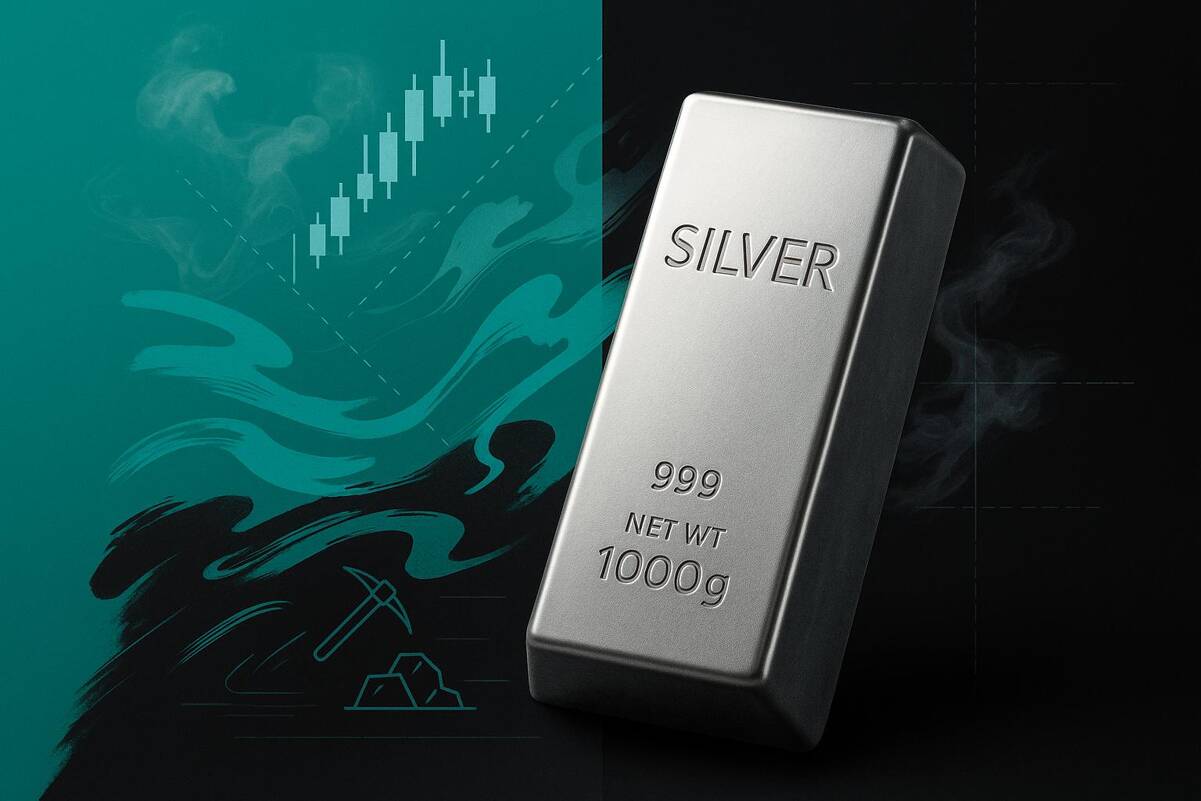
Much of the bull case has rested on a single claim: that silver supply cannot respond to a higher price the way most commodities do, because roughly three-quarters of it comes out of the ground as a byproduct of mining copper, lead, zinc, and gold, and you cannot will more of it into existence by drilling a silver mine. This window gave that argument a concrete, quantified example, and it came from an unexpected direction.
The Silvercorp Cut
On June 29, Silvercorp Metals, a Canadian-listed company that operates silver mines in China, disclosed that an intensifying mine-safety crackdown will cut its production over the July-to-September quarter. Output at its Ying district will fall by 40% to 50%, its GC mine by roughly 50%, and the company as a whole expects a reduction of 10% to 15% this quarter. Set against Silvercorp’s most recent full-year output of about 6.3 million ounces at Ying and 0.5 million at GC, the cut puts somewhere between 0.9 and 1.1 million ounces of silver at risk across the affected quarters.
The important part is not the company. It is the reason. The trigger was a fatal coal-mine accident in Shanxi province in late May that pushed Beijing to extend its long-standing “Six Major Safety Systems” requirements to every underground non-coal mine in the country, backed by a national monitoring network that now tracks more than a million sensors in real time.
For Silvercorp, complying means spending about $5.5 million on certified safety-system installations over roughly 50 days, plus another $6 million on facility and equipment upgrades, close to $11.5 million in all. That is money spent to keep operating, not to produce more, and it raises the real cost of every ounce that still comes out.
Source: Original Article