

























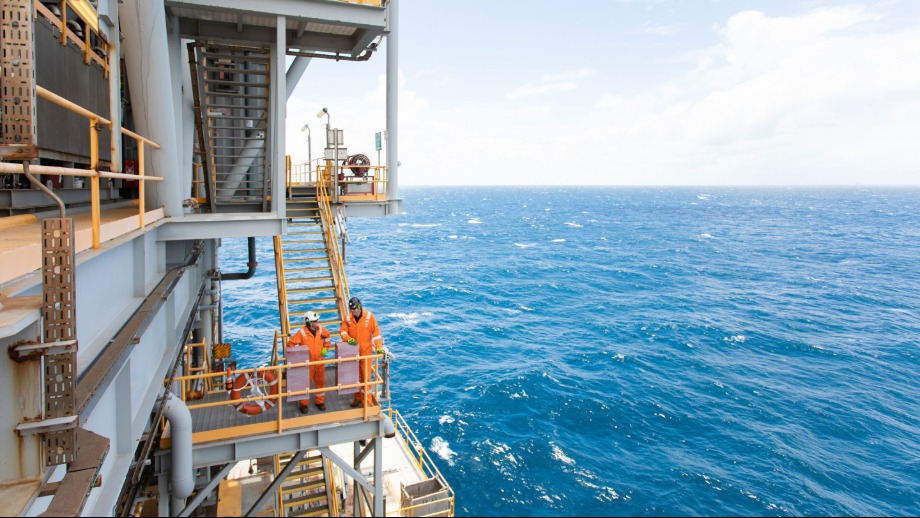
Australia’s oil and gas giant Woodside Energy has taken over the operator helm from the Australian subsidiary of U.S.-headquartered energy major ExxonMobil for assets situated off Victoria’s Gippsland coast.
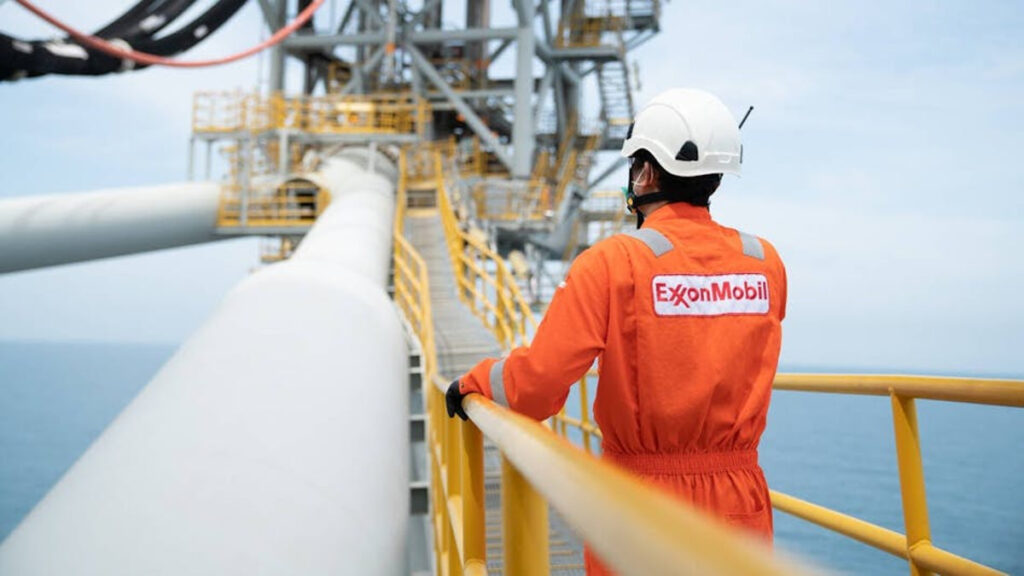
Following the duo’s agreement to transfer the operator role to Woodside for the Bass Strait assets, described as Australia’s first major offshore oil and gas development, the operatorship of the Gippsland Basin assets transferred from ExxonMobil to the Australian player on June 1, 2026, marking a historic day for the company, as it returns to its roots in Victoria.
Taking its name from the small town of Woodside, 225 kilometers east of Melbourne, the firm officially began life in 1954 as a junior oil explorer in the Gippsland region. As a result, the next chapter is perceived to reconnect the Australian player with that history, as it builds on a legacy that started in the region.
Given that the transition involves the transfer of operatorship, not asset ownership, Liz Westcott, Woodside’s CEO, emphasized: “Bringing the Gippsland Basin assets into Woodside is also a homecoming, returning us to the state where, more than 70 years ago, our company began.”
The Gippsland assets include the Gippsland Basin Joint Venture (GBJV) and the Kipper Unit Joint Venture (KUJV). While Woodside and Esso Australia Resources, a subsidiary of ExxonMobil Australia, each hold a 50% interest in the GBJV, the KUJV is jointly owned by Woodside, Esso Australia Resources, and Mitsui.
The Gippsland Basin assets encompass six operating offshore platforms, two onshore processing facilities plus a heliport, marine terminal and offices, with about 1,200 employees and contractors supporting its activities. The Australian operator claims that every molecule of energy from operations is supplied to power homes and industry in the country’s eastern states, as it has done since its start.
According to the 2024 Bass Strait decommissioning report, assets in Bass Strait comprise 421 wells, 19 platforms, six subsea facilities, and more than 800 kilometers of subsea pipeline connecting them to onshore processing facilities at Longford and Long Island Point. The former was commissioned in 2017.
The company plans to invest in delivering more gas, including additional development from the Kipper field and advancing funding decisions for the Turrum field, with the Kipper 1B project delivering more gas to the market ahead of winter 2026.
Woodside concluded: “The assets will remain central to Woodside’s Australian operations, supporting ongoing energy supply while advancing a major decommissioning program and assessing new opportunities – including four gas field developments.
“If sanctioned, these could deliver up to 200 petajoules of gas to the east coast gas market – that’s enough to power all homes in Melbourne for about two years.”

Power Your Brand With Offshore Energy ⤵️
Take the spotlight and anchor your brand in the heart of the offshore world!
Join us for a bigger impact and amplify your presence at the core hub of the offshore energy community!
Source: Original Article