


















The Trump administration is taking its campaign against high gasoline prices to the states, and it’s doing it formally.
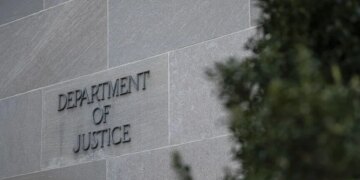
A little more than a week after President Donald Trump ordered the Justice Department to investigate possible price gouging at the pump, federal antitrust regulators have formally asked state attorneys general to join the effort, warning that oil market volatility is no excuse for anticompetitive behavior.
In a letter sent Friday seen by CBS News, the Justice Department and the Federal Trade Commission said they are actively monitoring oil markets for evidence of price-fixing or monopolization. The letter encourages states to determine whether fuel retailers or suppliers have run afoul of their own consumer protection laws.
“Recent volatility in crude oil prices does not suspend either the antitrust laws or state consumer protection laws, and it does not authorize companies to manipulate retail prices or collude with their competitors,” the agencies wrote.
The letter goes a step further than last week’s announcement of a federal probe. While the DOJ and FTC acknowledged they have no authority to enforce state price-gouging statutes, they urged attorneys general to examine whether emergency pricing laws have been violated in their own jurisdictions.
“Business may not use market volatility as cover for anticompetitive practices, fraud, or any other lawlessness that harms Americans,” the agencies added.
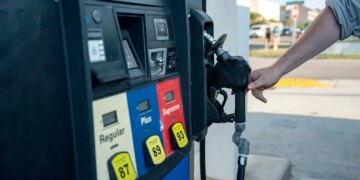
The administration’s increasingly aggressive posture comes as crude oil prices have retreated sharply from their spring highs following the partial recovery of tanker traffic through the Strait of Hormuz. Brent crude has fallen back toward pre-war levels, and WTI has slipped below $70 per barrel, yet retail gasoline prices have declined more gradually.
That disconnect has become a recurring target for President Trump, who has repeatedly argued that gasoline prices should be much lower given the collapse in crude prices. He has publicly singled out ExxonMobil, Chevron, Shell, and BP while also pressuring retailers to cut pump prices “immediately.”
The petroleum industry has pushed back, noting that retail gasoline prices do not move in lockstep with crude oil because refining costs, transportation, taxes, wholesale inventories, and local competition all play significant roles in determining pump prices.
By Julianne Geiger for Oilprice.com
Source: Original Article