
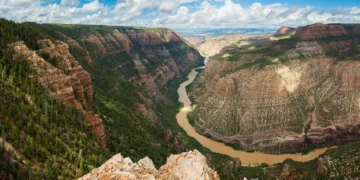
















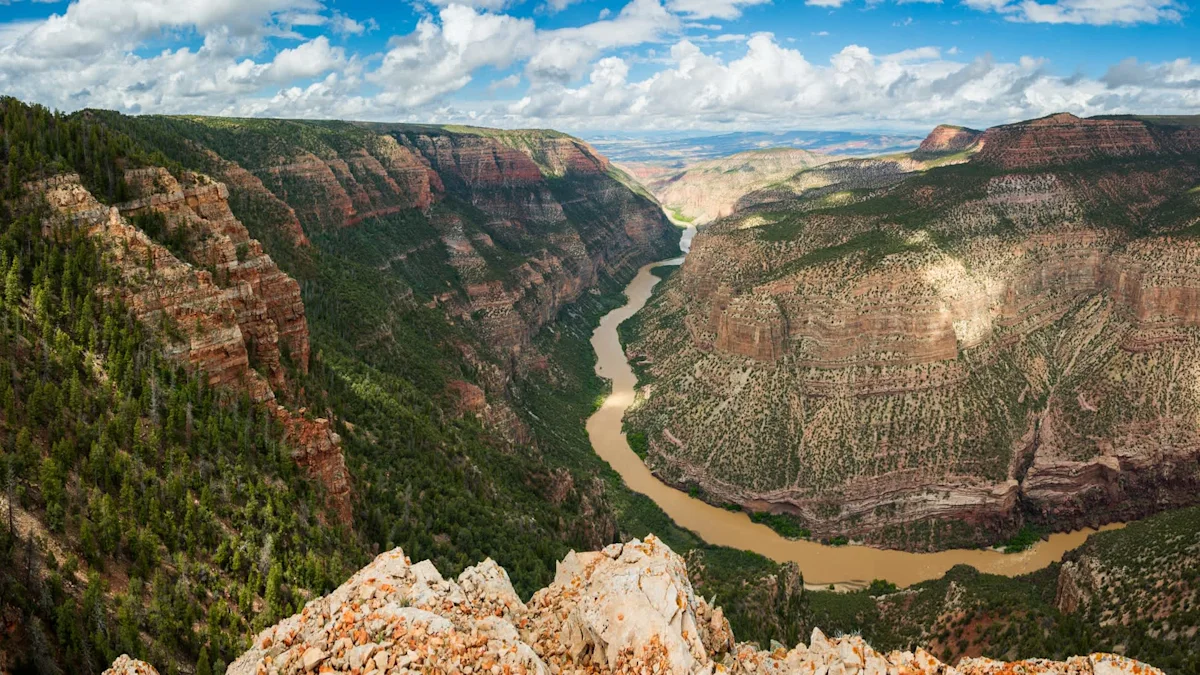
Questions are mounting over a massive federal oil-and-gas lease sale in Colorado because it would include habitat used by the nation’s largest elk herd.Critics say the proposal overlaps wildlife migration routes, areas known for dark-sky tourism, and terrain that conservation groups say supports vulnerable species.What happened?On June 16, the Bureau of Land Management plans to offer more than 100 parcels spanning about 156,000 acres, which is the largest oil-and-gas lease sale in modern Colorado history.Capital & Main said the proposed leases are concentrated in northwestern Colorado, especially Moffat County, where they cover winter habitat and migration corridors for elk, mule deer, and pronghorn.About two-thirds of the acreage up for auction sits just south of Dinosaur National Monument, an internationally recognized dark-sky destination.A spreadsheet compiled by Rocky Mountain Wild flagged 17 rare plants and endangered species that could be affected, including the black-footed ferret, wolverine, boreal toad, Colorado hookless cactus, and Parachute penstemon.The sale follows 2025 legislation signed by President Donald Trump that required more lease sales, shortened public comment windows, and limited agency discretion over whether parcels should be offered.Federal officials removed about 4,800 acres from the original offering, though many similar parcels remain in the sale.Why does it matter?Moffat County relies heavily on hunting and outdoor tourism, and local officials worry that industrial lighting, traffic, and drilling activity could threaten both the area’s prized dark skies and the habitat that supports its economy.Conservation groups also warned that leases can tie up public land for years, even if drilling never takes place.The oil, gas, and coal industries harm communities in several ways. It is a major driver of the climate pollution worsening extreme weather disasters that destroy homes, livelihoods, and local economies.It also fuels air and water pollution linked to asthma, heart disease, cancer, and premature death.Critics further argue that the industry can keep household energy costs high even as corporate profits rise, while lobbying efforts slow the adoption of cleaner, cheaper energy solutions that could better protect families, improve public health, and lower costs over time.The law lowered royalty rates for drilling on public land, meaning the public could receive a smaller share of future profits.Meanwhile, the BLM has about 21 million acres under oil-and-gas lease, but only 12 million are producing, reinforcing arguments that additional leasing is not necessarily needed.What are people saying?Tom Kleinschnitz, Moffat County’s director of tourism, said dark-sky recognition could be at risk.”Things like that could put that status in jeopardy,” he said, per Capital & Main. “In the long run, I think it’s important to keep these areas as pristine as possible.”Peter Hart, legal director of the Wilderness Workshop, warned of the lasting effects of such a large offering.”Folks need to understand the long-term impacts of a rush to lease so much public land,” he said, per Capital & Main. “Once those leases are issued they are very hard to get rid of — they stay on the land for a long time, even if they aren’t developed.”Alison Gallensky, a conservation geographer at Rocky Mountain Wild, said agencies now have less flexibility than they once did.”Now, they are being forced to offer a much larger sale than that one turned out to be,” she said, per Capital & Main.Get TCD’s free newsletters for easy tips, smart advice, and a chance to earn $5,000 toward home upgrades. To see more stories like this one, change your Google preferences here.
Source link


AbstractAccording to the latest IndexBox report on the global Oil & Gas Fishing market, the market enters 2026 with broader demand fundamentals, more disciplined procurement...
Read moreDetails