

















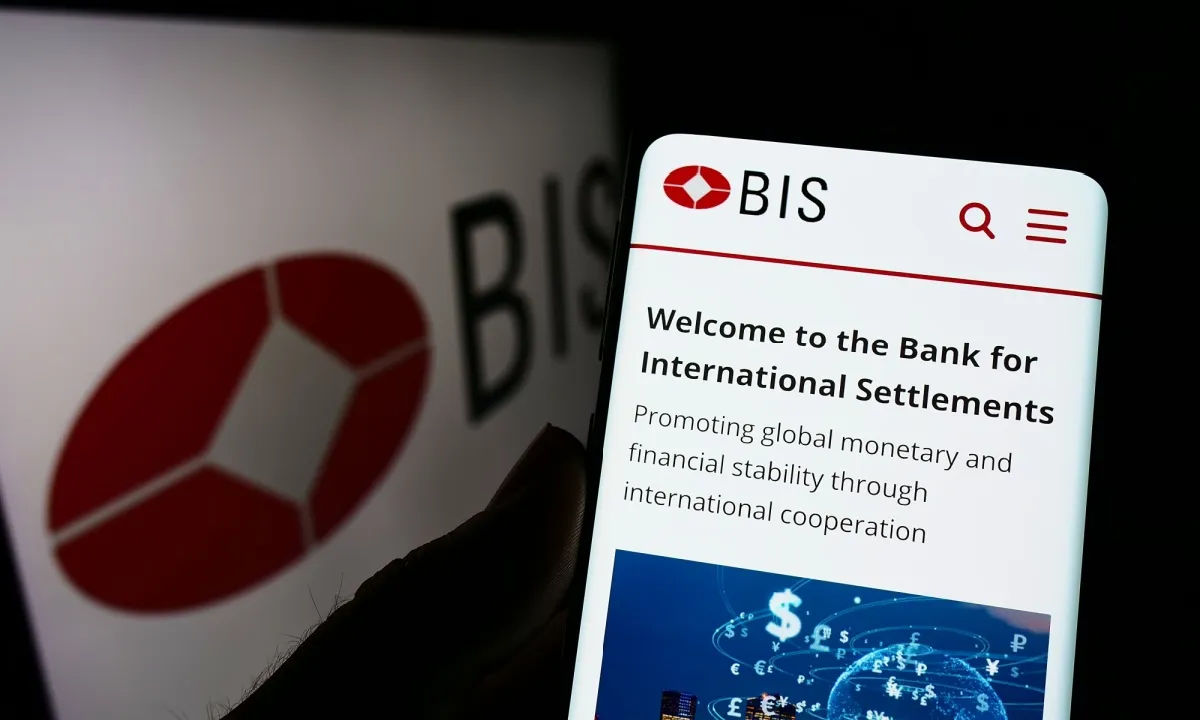
Today’s stablecoins have structural flaws that could impact macroeconomic and financial stability if the technology is more widely adopted, the Bank for International Settlements (BIS) said in a Tuesday (June 23) press release, outlining findings from the soon-to-be-released BIS Annual Economic Report 2026.
In their current form, stablecoins lack the ability to redeem different forms of money exactly at par in exchange for central bank money; have design features that lack protection against financial crime as well as redeemability and interoperability across ledgers; and are mostly denominated in U.S. dollars, which could challenge monetary sovereignty in some economies, BIS said in the release.
To tackle these weaknesses in current stablecoins, there is a need for regulatory measures for stablecoins used for payments and those used as investments, together with a “unified ledger” that would integrate different forms of tokenized money in the same venue, the organization said.
This solution could bring innovation to the two-tiered system, which includes central banks and commercial banks, while also preserving trust in money, BIS said.
The organization pointed to the Project Agorá public-private partnership that brings together eight central banks and more than 40 regulated institutions, and features a shared platform with a unifying ledger for tokenized commercial bank deposits and separate ledgers for tokenized central bank reserves.
“By integrating digital innovation such as tokenization into the existing financial architecture, authorities can shape the future of money, the economy and the financial system in the public interest while preserving trust,” BIS General Manager Pablo Hernández de Cos said in the release.
The full BIS Annual Economic Report 2026 and the BIS Annual Report 2025/26 are set to be published Sunday (June 28), according to the release.
BIS said in May that Project Agorá delivered a prototype that demonstrated that tokenized commercial bank deposits could be combined with “the trust and safety” of tokenized central bank reserves using a shared platform.
The organization said the prototype allows for atomic, multi-currency settlement of wholesale cross-border payments, which could happen around the clock if put into practice.
PYMNTS reported at the time that this announcement was part of a wave of evidence that blockchain-based money is fulfilling the stablecoin industry’s claim that this money can move faster, cheaper and more efficiently than the financial infrastructure it hopes to replace.