




















The oil majors are set for windfall earnings for the second quarter, which saw crude oil prices jump to a four-year high due to the closure of the Strait of Hormuz.
The earnings at both ExxonMobil and Chevron are expected to have tripled in the April to June quarter compared to the first quarter, as the worst supply disruption in the history of oil markets crippled oil flows from the Middle East, triggered crude price spikes and heightened volatility, and depleted oil inventories, including in the United States.
Exxon is estimated to have booked $15.9 billion in adjusted net income, and Chevron’s earnings are seen at nearly $10 billion for the second quarter, more than threefold for both supermajors compared to their first-quarter profits, per analyst estimates compiled by LSEG and cited by Reuters.
The April-June earnings at all Big Oil companies are set to be the highest since 2022, the previous time oil prices hit $100 per barrel and above, following the Russian invasion of Ukraine.
And just as in 2022, Big Oil faces backlash over profiteering from wars and price-gouging at the pump. Related: Dip in U.S. LNG Imports to EU Spells Trouble for Trade Deal
The difference this time is that the accusations and calls for investigations over the high gasoline prices come from the pro-oil President Donald Trump, who demands the U.S. gasoline price to drop to $2.25-$2.50 per gallon, “immediately”, after the war he started with Iran sent international crude oil prices spiking.
The oil supermajors say it would take time for U.S. gasoline prices to drop because of the lag between crude prices and products and because of the low inventories almost everywhere in the world, including in the United States.
Big Oil’s windfall profits for the second quarter aren’t really helping the industry in its clash with the U.S. Administration over the still-high gasoline prices. But in this cyclical industry, companies generate huge profits whenever prices spike, and volatility becomes extreme. This is not the first time, nor will it be the last, that oil companies are blamed for ripping off consumers at the pump while reaping excessive earnings.
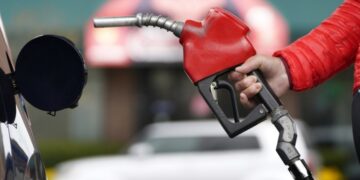
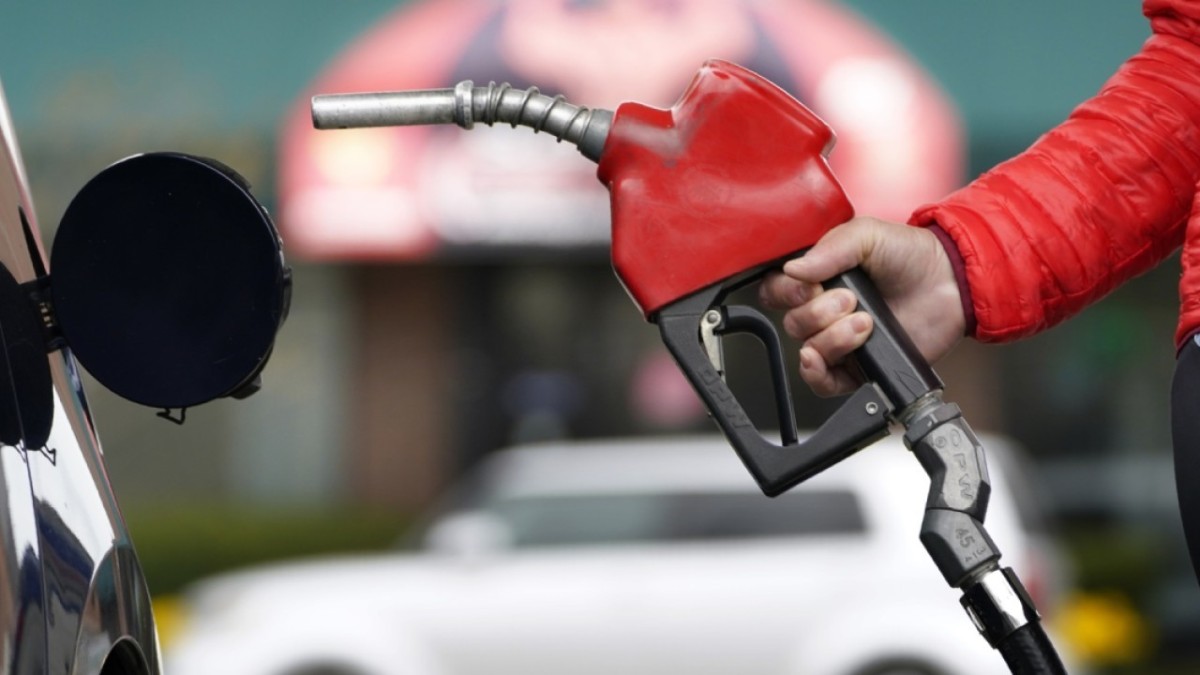
This 4th of July, the U.S. national average of $3.755 per gallon was $0.81 below the peak price from May, but also $0.65 per gallon higher than this time last year, Patrick De Haan, head of petroleum analysis at GasBuddy, said this weekend.
Gasoline prices have dropped from the four-year high of $4.50 a gallon in early May, and further drops are expected as the Strait of Hormuz traffic appears to begin to normalize.
The decline is not fast enough, according to President Trump and his Administration, who face a critical test of their policies in the midterm elections in November.
At the end of June, President Trump began his price-gouging tirade against Big Oil, demanding prices be slashed “immediately” to around $2.50 per gallon.
Since late June, Trump has ordered the Justice Department to investigate possible price gouging at the pump, and the DOJ urged state law enforcers to join it in investigating alleged illegal price-gouging practices.
Meanwhile, the industry is trying to explain to the public, and to officials, why gasoline prices would fall more slowly than the crude prices and braces for additional accusations of price-gouging by the Administration.
“Refineries do not set the price of finished gasoline, and crude oil is just one of many inputs — albeit the biggest one — contributing to overall fuel costs, the American Fuel & Petrochemical Manufacturers said in June, suggesting the President could and should change the Renewable Fuel Standard, which makes supplying fuel to the U.S. market costly.
It will be some time before gasoline prices begin to fall more noticeably, the industry says.
“There is a lag between, you know, oil prices and reductions in oil prices and when that shows up at the pump, but we expect that prices will come down as things continue to normalize,” Chevron’s chief financial officer Eimear Bonner told CNBC at the end of June.
“Being the boogeyman is not particularly fun,” an oil company executive told Reuters. “But we need to educate officials that this is a cyclical industry and that no one cares when the market turns and we are taking all the risk.”
In the current cycle, Big Oil companies are expected to post booming profits for the second quarter, as they have always done when crude prices spike.
By Tsvetana Paraskova for Oilprice.com
Source: Original Article