















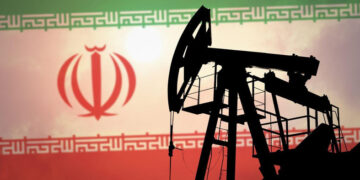






The United States (US) reimposed sanctions on Iranian oil on July 7, with a US official warning that Tehran’s attacks on vessels transiting the Strait of Hormuz were wholly unacceptable and would draw consequences, Reuters reported.
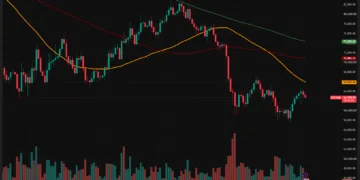
Oil prices jumped more than 5% after the announcement. The US Treasury had authorized Iranian oil sales until August 21 under the accord with Tehran, but the decision shortens the wind‑down period, setting a new cutoff of July 17.
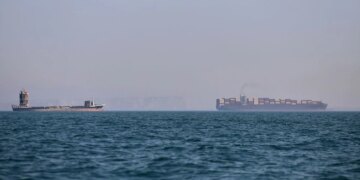
The US action followed reports that three tankers had been struck by unidentified projectiles in or near the Strait of Hormuz in recent days, the UKMTO, a British navy‑affiliated agency, said. Tehran offered no immediate comment, and no group claimed responsibility.
A US official said negotiators were continuing to engage in good faith toward a final accord with Iran, despite the latest escalation.
The attacks and Washington’s response risk undermining the diplomatic understanding between the US and Iran, heightening the chance that further retaliation could derail negotiations on a broader accord.
Another US official, speaking on condition of anonymity, said preliminary assessments indicated Iran had fired on three commercial vessels.
The Strait of Hormuz is among the world’s most critical energy choke points. Before the war, about one‑fifth of global oil and liquefied natural gas (LNG) shipments passed through it each day.
Any sustained disruption could drive energy prices higher, intensifying the strain on consumers and governments already grappling with elevated fuel costs.
Oil exports remain a vital revenue stream for Iran, generating billions in hard currency that sustain government spending and underpin an economy weakened by years of US sanctions.
Despite restrictions, Tehran has managed to boost shipments in recent years, primarily to China, making oil sales one of the country’s key economic lifelines.
Oil prices have dropped sharply since last month’s accord. The developments “signal that the ceasefire is not as solid and durable as the oil market has chosen to assume,” Bob McNally, president of Rapidan Energy Group, said, adding that “the oil market has some risk pricing to do.”
Source: Original Article