










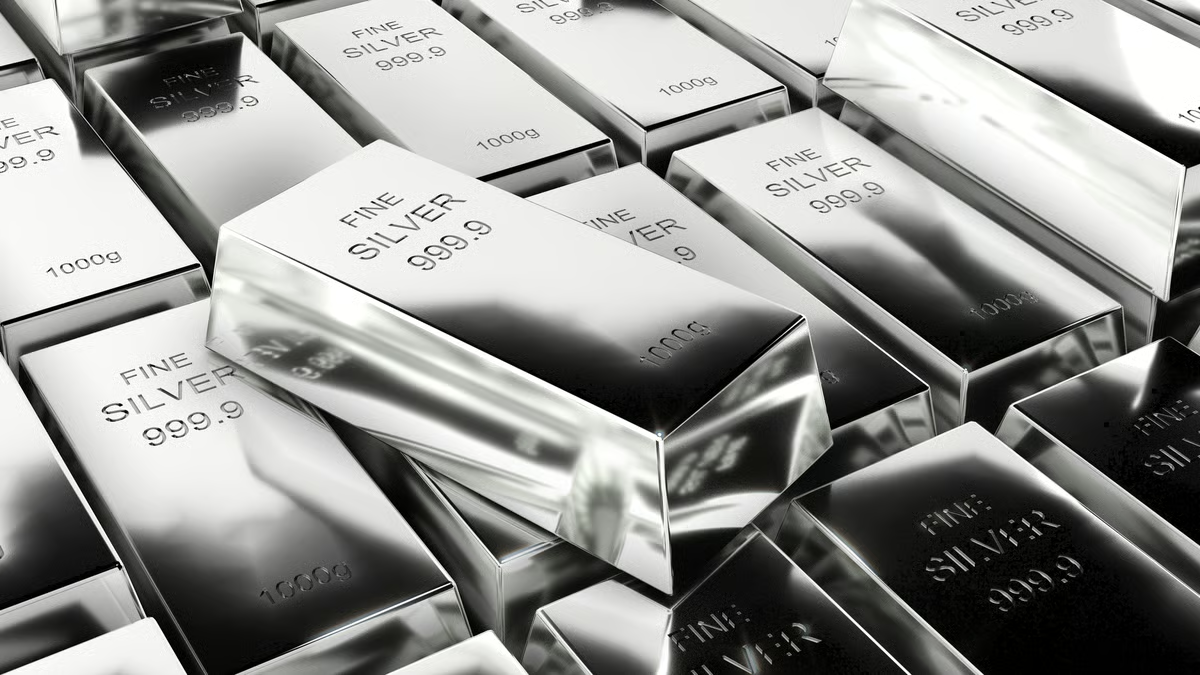
Over the past month, silver’s spot price has declined 17% to about $54 per troy ounce. Let’s see what caused that pullback — and whether it will head higher or sink lower by the end of the year.
What happened to silver over the past year?
Silver’s spot price reached a record high of $121.67 per troy ounce on Jan. 29, 2026. That represented a 429% gain over its previous two years.
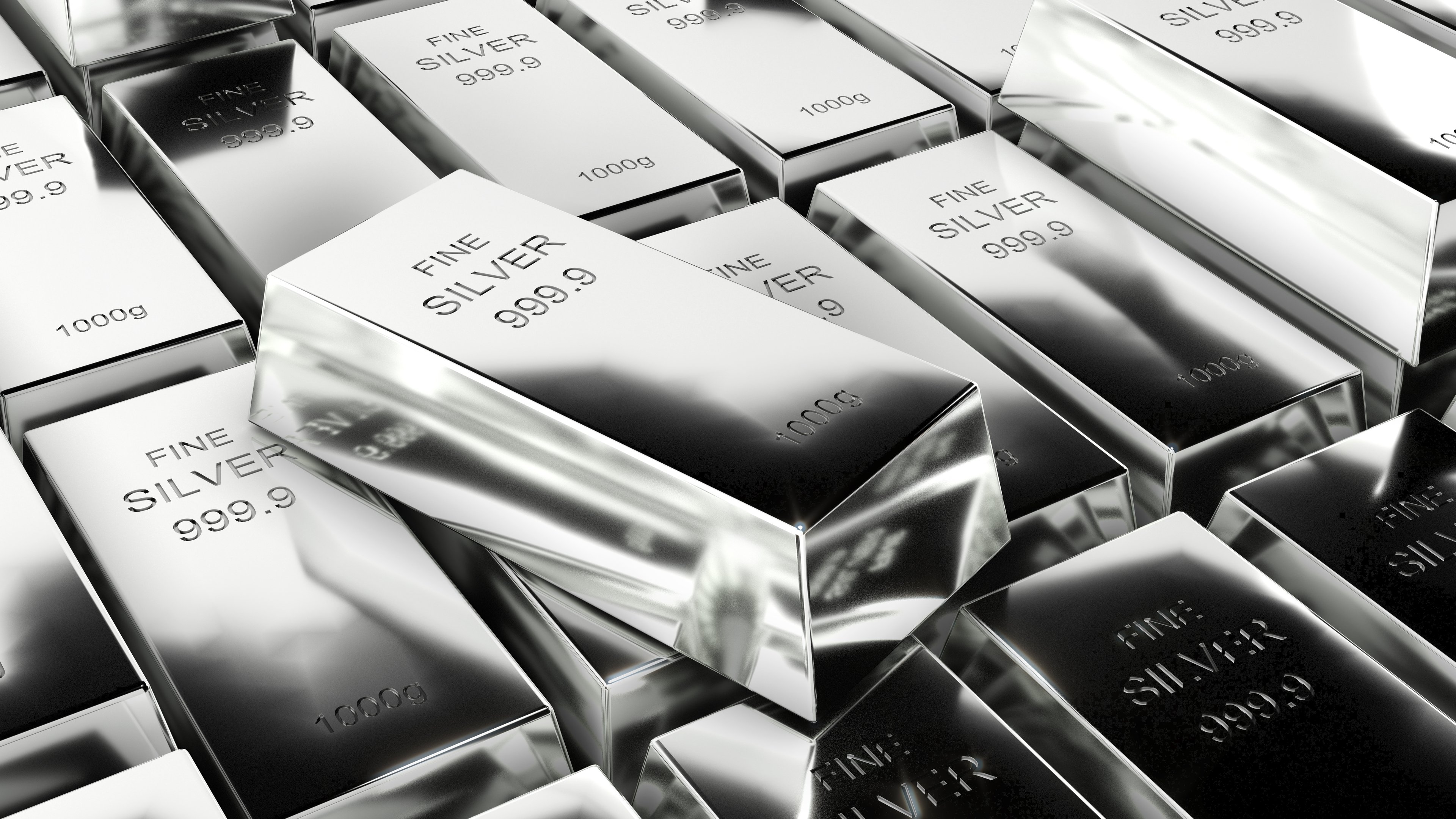
Image source: Getty Images.
Three catalysts drove silver’s price to its peak. First, silver isn’t just a precious metal. It’s also an industrial metal used in solar panels, electric vehicles, consumer electronics, and data centers. The explosive growth of the cloud infrastructure and AI markets — which generated strong tailwinds for data centers — caused the market’s demand for silver to outstrip its supply.
Second, declining ore grades, higher mining costs, and stricter environmental regulations prevented silver miners from producing enough silver. Lastly, expectations for rate cuts that would soften the U.S. dollar drove more investors toward silver and other precious metals.
SLV iShares Silver Trust
$48.66-$0.06 (-0.12%)
NYSEMKT · As of 4:00 PM ET 10/26/26
But this year, two headwinds drove silver’s price lower. First, rising inflation forced many industrial manufacturers (especially solar panel makers) to rein in their spending. Silver became prohibitively expensive for many of those customers, prompting a pivot toward manufacturing processes that used less silver or cheaper metals like copper.
Second, the Federal Reserve held its benchmark rates steady throughout most of the year, but raised them for the first time in three years in September. That rate hike strengthened the U.S. dollar and weakened silver, gold, and other assets priced in U.S. dollars. Rising Treasury yields also made fixed-income investments more appealing safe-haven plays than precious metals.
What are silver’s near-term catalysts and challenges?
Silver’s long-term catalysts are still intact. According to the Silver Institute and Metals Focus, the supply deficit for silver could widen from 40.3 million ounces in 2025 to 46.3 million ounces in 2026 — marking the sixth consecutive year in which its supply fell short of market demand.
The production of silver will remain inelastic because roughly 74% of it is produced as a byproduct of mining lead, zinc, copper, and gold. Only 26% comes from dedicated silver mines.
The solar market could remain weak, but the rapid expansion of the AI, power infrastructure, and electric vehicle markets could offset that pressure. If those markets keep expanding, inflation cools, and the Fed cuts rates again, silver’s price could easily bounce back.
However, ongoing geopolitical conflicts in Iran and Ukraine, trade tensions, and other macro headwinds could keep inflation hot and continue to weigh on the broader industrial market. If inflation keeps rising, the Fed will be forced to raise its benchmark rates again.
With the 10-Year Treasury currently yielding nearly 5%, non-yielding assets like silver and gold will remain less attractive to safety-seeking investors. In the event of a market crash, silver will also likely suffer a steeper initial drop than gold because it’s more of an industrial metal.
Where will silver be by the end of 2026?
Most analysts don’t expect silver to revisit its all-time high by the end of 2026, but they expect it to bounce back from its current levels. By the end of the year, JPMorgan sees silver at $63 per ounce, while UBS expects it at $70 per ounce.
We should take those estimates with a grain of salt, but silver could recover if the Fed keeps its rates unchanged through the end of the year. If you expect that to happen, it might be a great time to invest in the iShares Silver Trust ETF (SLV -0.12%) or another leading silver ETF.
Source: Original Article