






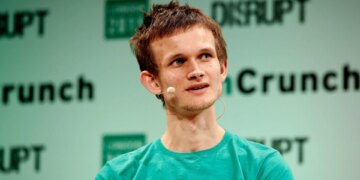



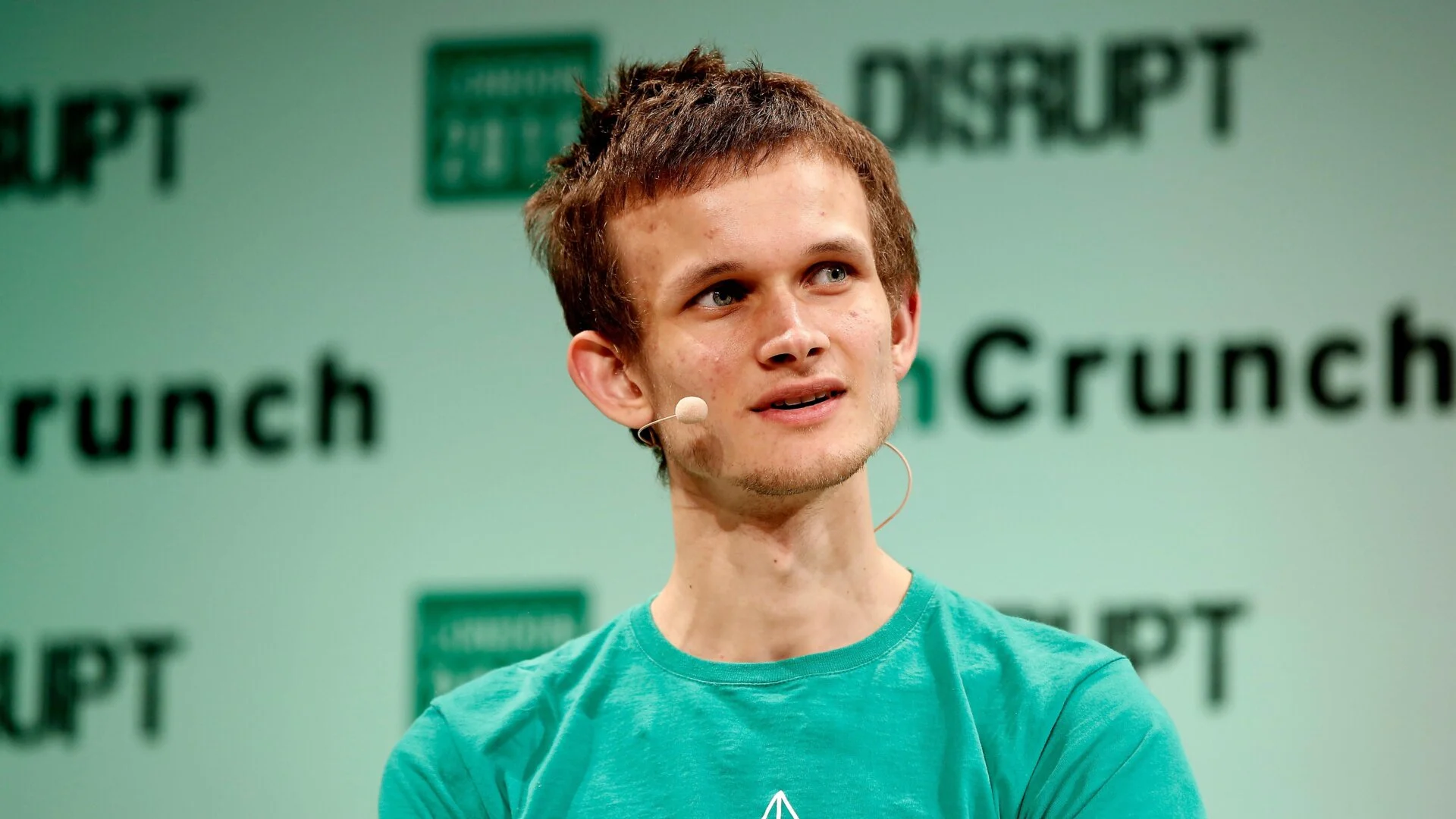
When Polymarket marketed itself by claiming it was legal sports betting, created markets for things like military strikes and warfare, and allowed people to predict if the NASA Artemis II rocket would explode and kill everyone on board, that all seemed fine. But betting on the price of cryptocurrencies in five-minute intervals? That is a step too far for Ethereum co-founder Vitalik Buterin, who is now concerned these prediction markets might be gambling.
In a post on X, Buterin expressed concerns that prediction markets—which allow people to “purchase contracts” on the outcomes of certain events in a way that is supposedly legally distinct from gambling (though if you know someone with a gambling addiction, it sure looks like the same thing in action)—have gotten too caught up in providing immediate gratification to its users.
“They seem to be over-converging to an unhealthy product market fit: embracing short-term cryptocurrency price bets, sports betting, and other similar things that have dopamine value but not any kind of long-term fulfillment or societal information value,” he wrote. “My guess is that teams feel motivated to capitulate to these things because they bring in large revenue during a bear market where people are desperate – an understandable motive, but one that leads to corposlop.”
Let’s pause real quick to linger on the fact that it is an “understandable motive” to want to extract money from desperate people. Just really let that wash over you for a minute.
Now that you’ve let that settle in, to better understand Buterin’s concern, it’s worth noting that he’s previously defined “corposlop” as “Corporate optimization power,” “An aura of respectableness of being a company with sleek polished branding,” and “Behavior that the exact opposite of respectable, because that’s what’s needed to maximize profit.”
Buterin acknowledged that prediction markets basically require losers to operate, and he’s not opposed to people losing money. “There is nothing fundamentally morally wrong with taking money from people with dumb opinions. But there still is something fundamentally ‘cursed’ about relying on this too much,” he wrote. “It gives the platform the incentive to seek out traders with dumb opinions, and create a public brand and community that encourages dumb opinions to get more people to come in.”
Polymarket and Kalshi definitely do that. They’ve both lent their badges to Twitter users who pose as people with insider knowledge and spread misinformation, presumably because people want to feel like they are part of the in-group and are prone to trying to monetize that knowledge by throwing a bet down on a prediction market.
One way to stop that would be for those companies to contain an ounce of shame among their collective leadership, but since that is unlikely to happen, Buterin has a galaxy-brained solution to offer: turning prediction markets into “hedging” markets.
“Here’s the idea. You have price indices on all major categories of goods and services that people buy (treating physical goods/services in different regions as different categories), and prediction markets on each category,” he wrote. “Each user (individual or business) has a local LLM that understands that user’s expenses, and offers the user a personalized basket of prediction market shares, representing ‘N days of that user’s expected future expenses.’”
Buterin has an ulterior motive here that doesn’t really have anything to do with protecting people from “corposlop” or separating desperate people from their money. Instead, he’d like to create an alternative to fiat currency that can be used for stablecoins, as he believes the fact that most stablecoins are pegged to USD means that the crypto space isn’t truly decentralized. He apparently sees prediction markets as a potential solution for this, and would have price indices that are denominated in something other than USD (Ethereum, perhaps?) so they accrue interest and make them more viable for hedging than non-interest accruing fiat currency.
“If we can make it work, it’s much more sustainable than the status quo, because both sides of the equation are likely to be long-term happy with the product that they are buying, and very large volumes of sophisticated capital will be willing to participate,” he said.
Finally, a betting market where everyone wins. Why didn’t anyone else think of that?