




















Crude oil prices moved higher today, extending gains from earlier this week after the United States and Iran exchanged military strikes again, following Iran’s attacks on three vessels off the Omani coast. The United States also canceled its sanction waiver for Iranian crude in response to the flare-up.
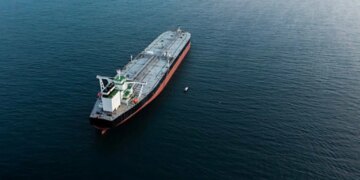
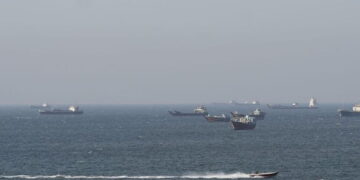
At the time of writing, Brent crude was trading at $76.58 per barrel, with West Texas Intermediate at $72.74 per barrel, on news reports that Iran had struck three vessels near Hormuz, of which one was a Qatari LNG carrier, one a Saudi oil tanker, and one a Liberian-flagged oil tanker. Iranian media said the LNG carrier had been struck “after ignoring repeated warnings.”
In response, the United States attacked multiple targets in Iran, including “air defence systems, command and control networks, coastal radar sites, anti-ship missile capabilities, and more than 60 Islamic Revolutionary Guard Corps small boats in and near the strait to degrade Iran’s ability to continue attacking international commerce flowing through the international trade corridor,” U.S. CENTCOM said.
Iran retaliated with strikes on U.S. military bases in Bahrain and Kuwait in a stark reminder that the ceasefire agreed by the warring parties last month is anything but stable.
“The current conflagration is a reminder to the market of how fragile passage through the Strait still is,” MST Marquee’s head of research, Saul Kavonic, said, as quoted by Reuters. “This presents a contrary indicator to the prevailing sentiment that the market could be flooded into oversupply, which may scare some of the record short positioning to cover,” he added in what is a timely reminder that assumptions of a glut were a bit premature.
Meanwhile, rhetoric between the U.S. and Iran remains less than encouraging for the peace process. President Trump earlier in the week threatened that the U.S. would either make a deal with Iran or it would “finish the job.” Iran, via Foreign Minister Abbas Aragchi, said that talks on a final peace deal “will not commence if threats continue.”
By Irina Slav for Oilprice.com
Source: Original Article