

















Chevron and Exxon are expected to report their best quarter since 2022 this month, as the war that the United States and Israel started against Iran on February 28 drove much tighter oil and gas supply. This could be a problem for President Trump who has already slammed Big Oil for keeping prices at the pump too high.
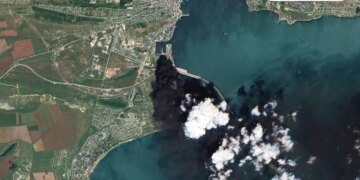
The two biggest American oil companies are reporting second-quarter results at the end of this month and, according to Reuters, will book the best quarter since 2022, when Western sanctions on Russia following its incursion into Ukraine pushed international benchmarks to well over $100 per barrel. This year, the U.S. and Israeli strikes against Iran prompted the latter to close the Strait of Hormuz, which in turn caused oil and gas prices to skyrocket—although they never quite reached 2022 levels.
As usual, when crude oil prices rise, so do the prices of the end products made from crude, boosting refiners’ bottom lines. In the latest supply crisis, U.S. crude played a central role in offsetting some of the lost supply from the Middle East, with U.S. producers selling abroad record volumes of crude and refined products, turning the country into the world’s largest oil and fuels exporter. This, however, has come at a price for Americans. Related: Saudi Arabia Ships 34 Million Barrels Through Hormuz Despite Thin Tanker Traffic
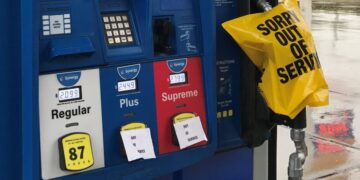
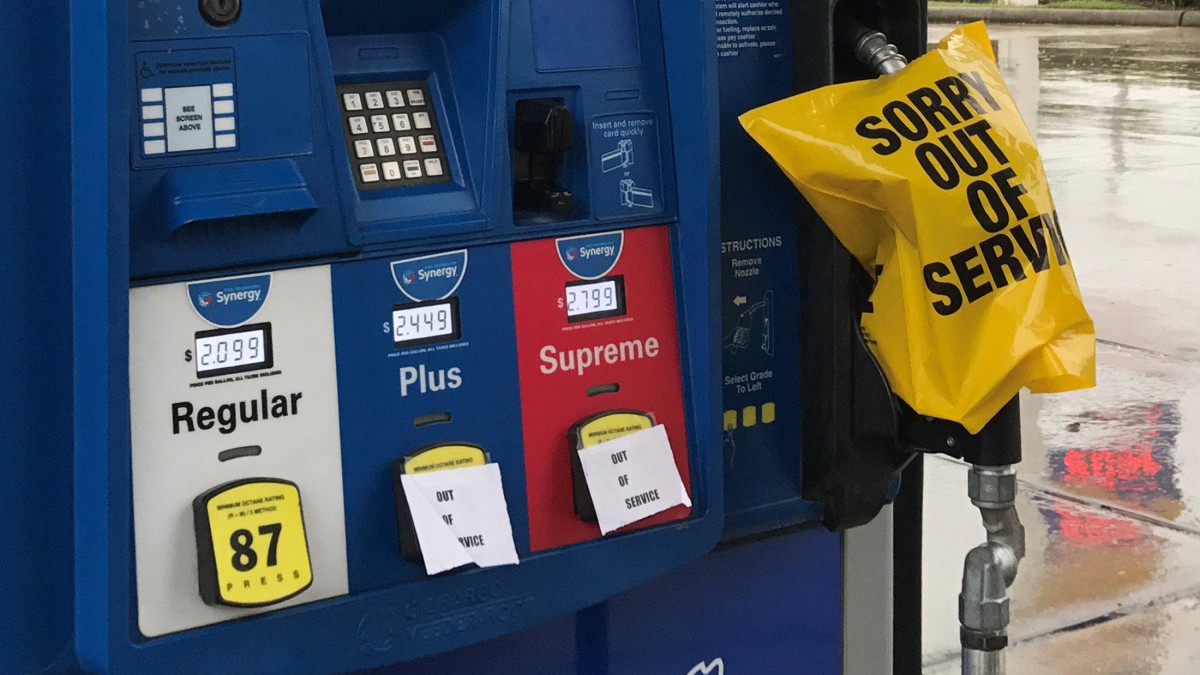
Retail fuel prices flew higher in the wake of those strikes by the U.S. and Israel that started the war with Iran, and although they never really hit the highs from 2022 when a gallon of regular gasoline topped $5, they were high enough to anger the U.S. president.
“The big Oil Companies are not dropping their price at the pump commensurate with the sharply lower prices they are paying for Oil. Those prices are dropping like a rock! In other words, customers are being ‘gouged’,” Trump wrote on TruthSocial at the end of last month. “I have instructed the DOJ to immediately start looking into this. Gasoline prices better start going down a lot faster than what I’m seeing!”
The news came as a surprise to many, seeing as the U.S. president has had a cordial relationship with Big Oil, which was a generous donor to his second presidential campaign. Trump also made the expansion of the U.S. oil and gas industry a priority for his second presidential administration, vowing to establish U.S. energy dominance over the world.
In that, he has been quite successful although it is arguable whether it was the federal government’s help that turned the U.S. into the world’s biggest oil and gas exporter or years of efforts by the industry itself to become more resilient to various challenges. The industry responded to Trump’s accusations of price-gouging with a statement along the lines of refiners and fuel marketers not having universal price-setting power and rather following crude price trends on international markets.
President Trump then acknowledged prices have moderated, as the national average slid below $4 per gallon, but insisted gasoline should sell for $2.50 per gallon, and if it was not, then that was the fault of Chevron, Exxon, Shell, and BP. “Our industry shares the goal of delivering relief at the pump and restoring stability to global energy markets,” a spokeswoman for the American Petroleum Institute said in response, noting that fuel prices do not “move in lockstep” with crude oil prices.
“Gasoline prices don’t move in lockstep with crude oil, especially during a major global disruption affecting supply, refining and inventories,” Bethany Williams said at the time. Meanwhile, despite some progress being made by the U.S. and Iran in peace negotiations, a final agreement remains elusive, with tanker traffic recovery in the Strait of Hormuz ongoing but also uncertain. This means that President Trump’s price target, as it were, will also remain elusive for the time being. As for Big Oil’s profits, they may spark stronger anger and more action, for which the industry is already preparing by trying to calm the White House down through lobbying.
By Irina Slav for Oilprice.com
Source: Original Article