

















According to market research firm Spherical Insights & Consulting, which has been actively tracking the oil and gas exploration, upstream energy, drilling technologies, offshore production, reservoir management, and hydrocarbon extraction sectors for the last 10 years, its latest market analysis indicates that the global oil and gas upstream market was valued at approximately USD 4.12 trillion in 2025 and is projected to reach around USD 6.85 trillion by 2035, expanding at a CAGR of 5.21% during the forecast period of 2025–2035.
The market growth is primarily driven by rising global energy demand, increasing investments in offshore and deepwater exploration projects, technological advancements in drilling and production operations, growing adoption of digital oilfield technologies, and expanding exploration activities across emerging hydrocarbon-rich regions. Additionally, government initiatives aimed at strengthening energy security and reducing dependence on energy imports are expected to further accelerate upstream investments worldwide over the next decade.
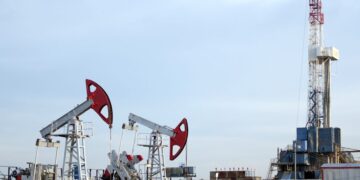
The global oil and gas upstream market is undergoing a profound transformation as energy demand continues to rise alongside technological innovation, energy security concerns, and the pursuit of more efficient resource extraction. The upstream segment, which encompasses exploration, drilling, and production activities, remains the foundation of the global energy supply chain. While renewable energy adoption is accelerating worldwide, oil and natural gas continue to play a critical role in meeting industrial, transportation, power generation, and petrochemical demands. As nations seek to secure reliable energy resources and reduce dependency on imports, investments in upstream activities are increasing across both mature and emerging hydrocarbon-producing regions. From advanced seismic imaging to AI-powered reservoir management, the upstream industry is embracing a new era of exploration that is reshaping global energy production and creating fresh growth opportunities for market participants.
Understanding the Oil and Gas Upstream Market
The upstream oil and gas sector represents the first stage of the petroleum value chain, focusing on the exploration, discovery, drilling, and extraction of crude oil and natural gas resources. Companies operating in this segment invest heavily in identifying commercially viable reserves through geological surveys, seismic studies, and exploratory drilling. Once reserves are confirmed, production facilities are developed to extract hydrocarbons efficiently and economically. Upstream operations are critical to ensuring a steady supply of energy resources for downstream refining and distribution activities. Growing global energy consumption, rising industrialization, and expanding transportation networks continue to support upstream investments. Moreover, governments across major producing regions are introducing favorable licensing policies, offshore exploration programs, and foreign investment incentives to boost domestic production and strengthen energy security.
Ready to lead the oil and gas upstream market?
Discover the regional trends and growth factors shaping the industry. We’re here to assist with expert, personalized data.
Call +1 303 800 4326 or Send us a message for a personalized consultation.
Why Exploration Activities Are Accelerating Worldwide
A combination of rising energy demand and concerns about future supply availability is driving exploration activities across the globe. Emerging economies are experiencing rapid industrial growth, urbanization, and infrastructure development, leading to increased energy consumption. At the same time, declining production from mature oil fields is encouraging energy companies to discover new reserves in offshore, deepwater, and unconventional resource basins. Regions such as South America, the Middle East, Africa, and Asia-Pacific are witnessing increased exploration investments as governments seek to unlock untapped hydrocarbon resources. Furthermore, geopolitical uncertainties and supply chain disruptions have highlighted the importance of domestic energy production, prompting countries to expand exploration programs and reduce dependence on imported fuels. This renewed focus on exploration is creating substantial opportunities for upstream operators, drilling contractors, and oilfield service providers.
Technological Innovations Reshaping Upstream Operations
Technology has become one of the most significant drivers of transformation within the oil and gas upstream market. Advanced seismic imaging technologies now enable companies to identify hydrocarbon deposits with greater accuracy, reducing exploration risks and improving success rates. Artificial intelligence and machine learning algorithms are being deployed to analyze vast geological datasets, optimize drilling operations, and predict equipment maintenance requirements. Digital twins, automation systems, and real-time monitoring solutions are helping operators improve production efficiency while reducing operational costs. Additionally, innovations in horizontal drilling and hydraulic fracturing technologies have unlocked vast unconventional resources, particularly shale oil and gas reserves. These technological advancements are enabling energy companies to maximize recovery rates, enhance profitability, and improve decision-making throughout the exploration and production lifecycle.
Offshore and Deepwater Exploration Gaining Momentum
Offshore exploration has emerged as a key growth area within the global upstream market. As easily accessible onshore reserves become increasingly depleted, companies are turning their attention to deepwater and ultra-deepwater basins that hold significant untapped hydrocarbon potential. Advances in drilling technology, subsea systems, and floating production platforms have made offshore projects more economically viable than ever before. Countries such as Brazil, Guyana, Norway, and several Gulf nations are attracting substantial investments in offshore exploration and production activities. These projects often contain large reserves capable of supporting long-term production growth and strengthening national energy output. Despite higher development costs, offshore assets offer attractive returns due to their large-scale resource potential and increasing operational efficiencies achieved through technological innovation.
The Growing Role of Artificial Intelligence and Digitalization
Artificial intelligence is rapidly becoming a cornerstone of modern upstream operations. AI-powered solutions help energy companies process geological information, identify drilling targets, optimize well placement, and forecast production performance with unprecedented precision. Predictive analytics tools enable operators to anticipate equipment failures, minimize downtime, and improve asset utilization. Cloud computing and Internet of Things (IoT) technologies further enhance operational visibility by providing real-time data from drilling rigs, production facilities, and remote field locations. Digitalization is also improving workplace safety by reducing human exposure to hazardous environments through remote monitoring and automated control systems. As the industry continues its digital transformation journey, AI and advanced analytics are expected to become essential components of upstream exploration and production strategies worldwide.
Sustainability and Environmental Considerations
Environmental sustainability is increasingly influencing decision-making across the upstream sector. Governments, investors, and consumers are placing greater emphasis on reducing greenhouse gas emissions and improving environmental performance. In response, upstream companies are implementing methane monitoring systems, carbon capture technologies, and energy-efficient production processes. Electrification of drilling equipment and integration of renewable energy sources into field operations are also gaining traction. Many operators are adopting environmental, social, and governance (ESG) frameworks to align with global sustainability goals while maintaining operational competitiveness. Although oil and gas remain vital components of the energy mix, companies are investing in cleaner production methods to address regulatory requirements and stakeholder expectations. These efforts are helping the industry balance energy demand with environmental responsibility.
Regional Growth Trends Driving Market Expansion
North America continues to lead global upstream activity due to its extensive shale resources, advanced drilling technologies, and supportive infrastructure. The Middle East remains a dominant producer, benefiting from vast conventional reserves and ongoing investments in production capacity expansion. Latin America is emerging as a major exploration hotspot, particularly with significant offshore discoveries in Brazil and Guyana. Africa is attracting increased attention from international energy companies due to its underexplored basins and growing resource potential. Meanwhile, Asia-Pacific nations are investing in domestic exploration projects to enhance energy security and reduce reliance on imports. These regional developments highlight the global nature of upstream market growth and the diverse opportunities available across different hydrocarbon-producing regions.
Key Companies Shaping the Future of the Upstream Industry
Several leading energy companies are driving innovation and investment within the upstream market. Saudi Aramco continues to expand exploration and production capabilities while integrating advanced digital technologies into operations. ExxonMobil remains focused on major offshore developments and technological innovation. Chevron Corporation is investing in both conventional and unconventional resource development projects worldwide. Shell plc is enhancing production efficiency through digital transformation initiatives. Other influential players include BP plc, TotalEnergies, ConocoPhillips, Equinor, Eni, and Petrobras, all of which continue to shape the industry’s future through exploration investments and technological advancements.
Recent Major Oil & Gas Discoveries Reshaping the Industry
The global oil and gas upstream market is experiencing renewed momentum as significant hydrocarbon discoveries in emerging regions reshape future production landscapes. Offshore discoveries in Guyana have transformed the nation into one of the world’s fastest-growing oil producers, attracting billions of dollars in foreign investment and creating substantial long-term production opportunities. Similarly, deepwater discoveries in Brazil continue to unlock vast pre-salt reserves that support the country’s growing role in global energy markets. In Namibia, major offshore finds have sparked exploration activity from international energy companies seeking access to promising new basins. Meanwhile, offshore discoveries in Suriname are positioning the country as an emerging exploration hotspot. These discoveries are extending the lifespan of global hydrocarbon production while driving infrastructure development, employment growth, and exploration spending worldwide.
AI and Digital Technologies Revolutionizing Exploration
Artificial intelligence and digital technologies are transforming the economics and efficiency of oil and gas exploration. AI-powered seismic interpretation enables geologists to process massive datasets rapidly, improving the identification of prospective drilling locations while reducing exploration risks. Predictive maintenance solutions leverage machine learning algorithms to anticipate equipment failures before they occur, minimizing downtime and maintenance expenses. Digital twins provide virtual representations of drilling assets and production facilities, allowing operators to simulate performance scenarios and optimize operations in real time. Autonomous drilling systems are improving drilling precision and reducing human intervention in complex environments. Additionally, real-time reservoir monitoring technologies provide continuous insights into reservoir performance, enabling companies to maximize hydrocarbon recovery rates. These innovations are reducing operational costs, increasing exploration success rates, and improving overall asset productivity across the upstream sector.
The Rise of Deepwater and Ultra-Deepwater Projects
Deepwater and ultra-deepwater developments have become major growth engines for the upstream industry as companies seek access to large untapped hydrocarbon reserves. Advances in subsea technologies, drilling equipment, and offshore production systems have significantly improved the economic viability of deepwater projects. Growing investments in offshore exploration are particularly evident in regions such as Brazil, Guyana, the Gulf of Mexico, and West Africa. Floating Production Storage and Offloading (FPSO) vessels have become essential infrastructure components, enabling efficient production and storage in remote offshore locations. Deepwater fields often offer substantial reserve volumes, longer production lifecycles, and attractive returns despite higher initial development costs. As exploration technology continues to evolve, offshore hotspots in Africa, Latin America, and Asia-Pacific are expected to attract increasing investment and support long-term global energy supply growth.
Energy Security Becomes a Strategic Priority
Energy security has emerged as a critical driver of upstream investment decisions worldwide. Geopolitical tensions, supply chain disruptions, and fluctuating commodity markets have highlighted the risks associated with excessive reliance on imported energy resources. As a result, governments are increasingly prioritizing domestic exploration and production activities to strengthen national energy resilience. Countries are expanding licensing rounds, providing fiscal incentives, and accelerating offshore development programs to secure long-term hydrocarbon supplies. Rapid population growth, industrialization, and rising electricity demand are further intensifying the need for stable energy sources. In response, both developed and emerging economies are investing heavily in upstream projects to reduce vulnerability to external market shocks. This renewed focus on energy independence is expected to sustain exploration activity and support long-term growth in the oil and gas upstream market.
How National Oil Companies Are Leading Upstream Investments
National oil companies (NOCs) are playing a pivotal role in driving upstream market expansion through large-scale investments and strategic exploration initiatives. Saudi Aramco continues to invest in advanced drilling technologies, offshore projects, and reservoir management systems to maintain production leadership. ADNOC is expanding exploration programs and enhancing production capacity through partnerships with international energy firms. Petrobras remains a global leader in deepwater development, leveraging expertise in offshore exploration to unlock significant reserves. Meanwhile, Petronas is actively investing in upstream assets across Asia and international markets. State-backed investments from these companies are accelerating exploration activities, supporting technological innovation, and strengthening long-term energy security objectives.
Carbon Reduction Efforts in Upstream Operations
Environmental sustainability is becoming increasingly important across upstream oil and gas operations. Companies are implementing carbon capture and storage (CCS) technologies to reduce greenhouse gas emissions generated during production activities. Methane emission reduction programs are being expanded through advanced monitoring systems and leak detection technologies that improve environmental performance. Offshore operators are also investing in platform electrification projects that replace conventional fuel-powered systems with lower-emission energy sources. In addition, low-carbon production technologies, energy-efficient equipment, and digital optimization tools are helping reduce the overall carbon footprint of upstream operations. These initiatives align with global climate objectives while enabling producers to maintain competitiveness in an increasingly environmentally conscious market. As regulatory requirements continue to evolve, sustainability-focused investments are expected to become a core component of future upstream development strategies.
Regional Growth and Demand Analysis
North America: Shale Dominance
North America remains a global leader in upstream oil and gas production, primarily due to its extensive shale resources and advanced drilling capabilities. The United States continues to benefit from horizontal drilling and hydraulic fracturing technologies that have unlocked significant unconventional reserves. Strong infrastructure networks, favorable investment conditions, and technological innovation continue to support production growth across major shale basins.
Middle East: Production Expansion
The Middle East remains one of the world’s most important hydrocarbon-producing regions, supported by vast conventional reserves and low production costs. Countries across the region are investing heavily in capacity expansion projects, enhanced oil recovery technologies, and offshore exploration activities. National oil companies continue to strengthen production capabilities to meet growing global energy demand.
Latin America: Offshore Discoveries
Latin America is emerging as a major exploration hotspot due to significant offshore discoveries in Guyana and Brazil. Deepwater developments, FPSO deployments, and increasing foreign investments are transforming the region into a key contributor to future global oil supply. Continued exploration success is expected to attract additional capital and infrastructure development.
Africa: Emerging Exploration Frontier
Africa is gaining recognition as a promising frontier for oil and gas exploration. New discoveries in Namibia and other offshore basins are attracting global energy companies seeking high-potential opportunities. The continent’s underexplored resources, improving regulatory frameworks, and growing infrastructure investments support long-term market expansion.
Asia-Pacific: Energy Security Investments
Asia-Pacific countries are increasing exploration and production investments to enhance domestic energy security and reduce import dependence. Rising industrial activity, population growth, and expanding energy consumption are encouraging governments to accelerate upstream projects and diversify supply sources. Offshore developments and natural gas exploration remain key priorities across the region.
Key Investment Trends Through 2035
The oil and gas upstream market is expected to witness substantial investment activity through 2035 as companies focus on securing future production growth. Exploration budgets are increasing as operators pursue opportunities in offshore, deepwater, and frontier basins. Mergers and acquisitions are becoming increasingly common as companies seek to expand reserve portfolios and achieve operational synergies. LNG-linked upstream developments are attracting significant capital due to growing global demand for natural gas as a transition fuel. Digital oilfield investments, including AI, automation, and predictive analytics solutions, are helping companies improve efficiency and reduce costs. Additionally, financing for deepwater and ultra-deepwater projects continues to rise as technological advancements improve project economics. These investment trends are expected to support long-term market expansion and strengthen global energy supply chains.
Expert Outlook: What the Next Decade Looks Like
The next decade is expected to bring significant transformation to the oil and gas upstream market as technology, sustainability, and energy security priorities continue to evolve. Artificial intelligence is likely to become a standard component of exploration and production workflows, enabling faster decision-making and more accurate reservoir assessments. Autonomous drilling systems will improve operational efficiency and safety while reducing development costs. Offshore production is expected to expand further as companies target deepwater and ultra-deepwater resources with substantial reserve potential. Carbon management technologies, including CCS and methane reduction systems, will become increasingly integrated into upstream operations to meet environmental objectives. Frontier basins across Africa, Latin America, and Asia-Pacific are anticipated to attract growing investment, while natural gas is expected to play a central role in the global energy transition. These developments will shape a more technologically advanced, efficient, and resilient upstream industry through 2035.
Unlock exclusive market insights. Blog news—Download the Brochure now and dive deeper into the future of the Market
Top 10 Companies Transforming the Oil and Gas Upstream Market
Saudi Aramco
Founded: 1933
Headquarters: Dhahran, Saudi Arabia
Saudi Aramco is the world’s largest integrated energy company and one of the most influential players in the global oil and gas upstream market. The company operates some of the world’s largest oil fields and continues to invest heavily in exploration, drilling, reservoir management, and production optimization technologies. Aramco is expanding offshore and unconventional resource development while integrating artificial intelligence, digital oilfield solutions, and advanced recovery techniques to maximize production efficiency. The company’s vast hydrocarbon reserves, strong financial position, and commitment to energy security enable it to maintain a leading role in global upstream operations. Its continuous investments in exploration and technological innovation position Aramco as a major force shaping the future of the oil and gas upstream industry.
ExxonMobil
Founded: 1999
Headquarters: Spring, Texas, United States
ExxonMobil is one of the world’s largest publicly traded energy companies with extensive upstream operations spanning North America, South America, Africa, and Asia-Pacific. The company has strengthened its global position through major offshore discoveries, particularly in Guyana, and continues to invest in deepwater exploration, shale development, and advanced drilling technologies. ExxonMobil utilizes artificial intelligence, data analytics, and digital reservoir management tools to improve operational efficiency and resource recovery. Its strong exploration portfolio, technological expertise, and commitment to developing high-value assets have made the company a key contributor to global hydrocarbon production and upstream market growth.
Chevron Corporation
Founded: 1879
Headquarters: San Ramon, California, United States
Chevron Corporation is a leading global energy company with a diversified upstream portfolio that includes conventional oil and gas assets, shale resources, and offshore developments. The company continues to expand exploration activities across strategic regions while leveraging advanced drilling technologies and digital solutions to enhance production efficiency. Chevron is actively involved in deepwater projects and major LNG-linked developments that support long-term energy demand. Through continuous investment in innovation, operational excellence, and resource optimization, the company remains one of the most influential participants in the global upstream sector.
Shell plc
Founded: 1907
Headquarters: London, United Kingdom
Shell plc is a global energy leader with significant upstream operations across offshore, deepwater, and integrated natural gas projects. The company utilizes advanced seismic imaging, predictive analytics, and digital monitoring systems to improve exploration success and production performance. Shell continues to expand its offshore portfolio while investing in technologies that reduce operational costs and improve sustainability. Its expertise in complex exploration projects, LNG infrastructure, and reservoir management has enabled the company to maintain a strong presence in the evolving oil and gas upstream market.
BP plc
Founded: 1909
Headquarters: London, United Kingdom
BP plc is a major participant in the global upstream industry with operations spanning offshore production, shale resources, and natural gas developments. The company invests heavily in exploration activities, digital technologies, and advanced production systems to maximize asset performance. BP is increasingly incorporating artificial intelligence, predictive maintenance, and methane reduction technologies into its upstream operations. Its focus on efficient resource development, operational safety, and long-term production growth continues to strengthen its position within the global oil and gas exploration sector.
TotalEnergies
Founded: 1924
Headquarters: Paris, France
TotalEnergies is one of the world’s leading energy companies with extensive upstream operations across Africa, the Middle East, Europe, and the Americas. The company actively develops offshore and deepwater assets while utilizing advanced exploration technologies to identify new hydrocarbon reserves. TotalEnergies continues to expand its LNG-linked upstream projects and digital oilfield capabilities to improve operational efficiency and production reliability. Its commitment to technological innovation and strategic resource development has established the company as a significant contributor to global upstream market expansion.
ConocoPhillips
Founded: 2002
Headquarters: Houston, Texas, United States
ConocoPhillips is one of the largest independent exploration and production companies in the world, focusing exclusively on upstream oil and gas activities. The company manages a diverse portfolio of conventional, unconventional, and offshore assets across multiple regions. ConocoPhillips invests in advanced drilling technologies, reservoir optimization, and data-driven production systems to enhance resource recovery and operational efficiency. Its disciplined investment approach, strong reserve base, and focus on technological advancement continue to support long-term growth and competitiveness in the global upstream market.
Equinor
Founded: 1972
Headquarters: Stavanger, Norway
Equinor is a leading international energy company recognized for its expertise in offshore and deepwater oil and gas production. The company has pioneered advanced subsea technologies, digital field management solutions, and enhanced recovery techniques that improve production performance and reduce operating costs. Equinor continues to invest in exploration activities across the North Sea, South America, and other emerging hydrocarbon regions. Its technological leadership, operational efficiency, and strong exploration capabilities make it a key player in the future development of the upstream industry.
Eni
Founded: 1953
Headquarters: Rome, Italy
Eni is a globally recognized energy company with a strong focus on exploration and production activities across Africa, the Mediterranean, and the Middle East. The company has achieved numerous significant hydrocarbon discoveries and continues to invest in offshore exploration, natural gas development, and advanced production technologies. Eni leverages digital innovation, seismic analysis, and reservoir modeling to improve exploration success and maximize resource recovery. Its commitment to expanding hydrocarbon reserves and enhancing operational efficiency positions the company among the leading participants in the global upstream market.
Occidental Petroleum
Founded: 1920
Headquarters: Houston, Texas, United States
Occidental Petroleum is a major upstream producer with extensive operations across North America, the Middle East, and Latin America. The company specializes in exploration, drilling, enhanced oil recovery, and production optimization technologies that improve field performance and resource utilization. Occidental actively invests in digital transformation, carbon management solutions, and advanced reservoir engineering to strengthen operational efficiency. Its strong asset portfolio, technological capabilities, and long-term commitment to upstream development continue to support its position as an important contributor to global oil and gas production growth.
Unlock exclusive market insights. Blog news—Download the Brochure now and dive deeper into the future of the Market
Conclusion
The oil and gas upstream market is entering a transformative era driven by technological innovation, strategic exploration investments, and the growing need for global energy security. As demand for reliable energy continues to rise, upstream operators are expanding exploration activities across offshore, deepwater, and frontier basins while leveraging artificial intelligence, digital oilfield technologies, and advanced drilling systems to improve efficiency and resource recovery. Major discoveries in regions such as Guyana, Brazil, Namibia, and Suriname are creating new production hubs and attracting significant capital investments, while national oil companies and global energy leaders continue to strengthen their exploration portfolios. At the same time, sustainability initiatives including carbon capture, methane reduction, and low-carbon production technologies are reshaping operational strategies across the industry. Despite the accelerating energy transition, oil and natural gas will remain essential components of the global energy mix for decades to come. Companies that successfully balance production growth, technological advancement, and environmental responsibility will be best positioned to capitalize on the substantial opportunities emerging across the global oil and gas upstream market through 2035 and beyond.